Finding out that your dog is pregnant can be both exciting and a little overwhelming. If this is her first pregnancy, you may be wondering what to feed her, how much exercise she needs, and how to make sure both the mother and puppies stay healthy.
The good news is that most healthy dogs go through pregnancy without major problems. However, proper care during this period can make a huge difference in the health of the mother and her puppies. So, to make sure your dog delivers safely and in good health, proper care needs to be given to her starting from the early stages of pregnancy to the day she gives birth.
How Do I know that my Dog is Pregnant?
As said previously, you need to start taking care of your dog specially starting from the early stage of the pregnancy to the day she gives birth. This means that you need to be observant to know when she takes in or when the pregnancy started.
There is no magic to knowing this, as there are always signs that your dog may be pregnant. When you start noticing these signs, there is a likelihood that she may be pregnant. So you need to verify and start the pregnancy care as early as that.
Not every dog shows the same symptoms, especially during the first few weeks. However, some common signs include:
- Reduced activity levels
- Increased appetite
- Weight gain
- Enlarged nipples
- Mild morning sickness
- More affectionate behavior
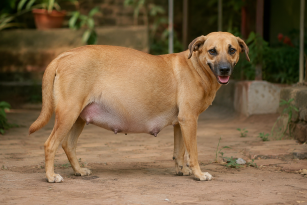
- A swollen abdomen during later stages
If you suspect your dog is pregnant, it is a good idea to schedule a visit with a veterinarian. A vet can confirm the pregnancy and check that everything is progressing normally.
According to the American Kennel Club, veterinary confirmation is one of the most reliable ways to monitor a dog’s pregnancy and identify potential complications early.
How Long Can Dog Pregnancy Last?
The average dog pregnancy lasts between 58 and 68 days, with most dogs giving birth around 63 days after mating. Because the pregnancy period is relatively short, many dog owners do not notice the signs immediately. This is why paying attention to changes in behavior and appearance is important. Now that you know the duration for dog pregnancy, you can easily make proper arrangements for proper care of the pregnancy all through the period.
How Do I Take Care of my Pregnant Dog?
Now that you have detected that your dog is pregnant, there is no time to delay anymore; proper care of the pregnant dog should start immediately. Here are ways through which you can take care of your pregnant dog.
1. Feed Your Pregnant Dog the Right Diet
Nutrition is one of the most important parts of caring for a pregnant dog. Here, we are talking about proper diet, not just overfeeding your dog.
Many owners make the mistake of overfeeding their dogs immediately after learning about the pregnancy. In reality, calorie requirements do not increase significantly during the first few weeks.
During the first half of pregnancy, continue feeding a high-quality dog food that meets your dog’s nutritional needs.
As the pregnancy progresses, especially after week five, her energy requirements increase. At this stage, many veterinarians recommend switching to a high-quality puppy food because it contains more calories, protein, and essential nutrients.
A healthy diet for a pregnant dog should provide: High-quality protein, Healthy fats, Calcium, Phosphorus, Vitamins and minerals, Fresh drinking water at all times.
Avoid giving supplements unless recommended by your veterinarian. Excessive supplementation, particularly calcium, can sometimes cause complications during labor.
2. Make Sure She Gets Regular Exercise
Pregnancy does not mean your dog should spend all day lying down.
Moderate exercise helps maintain muscle tone, supports healthy weight management, and can make the birthing process easier.
Good exercise options include: Daily walks, Gentle play sessions, Light outdoor activities. Avoid: Strenuous running, Jumping activities, Long periods of intense exercise.
As your dog’s belly grows, you may notice that she tires more easily. This is completely normal.
3. Create a Comfortable and Stress-Free Environment
Pregnant dogs often become more sensitive to their surroundings. Providing a calm and comfortable environment can help reduce stress during pregnancy.
Some simple things you can do include: Give her a quiet place to rest, Keep her sleeping area clean, Avoid unnecessary changes to her routine, Limit stressful situations, Keep aggressive animals away from her, A relaxed mother is generally healthier and better prepared for delivery.
4. Attend Regular Veterinary Checkups
Don’t just relax, you have to be taking her to her veterinary doctor regularly. This is very important for her pregnancy.
The checkup ensures that the veterinary doctor regularly confirms the pregnancy, estimates the number of puppies, monitors the mother’s health, identifies possible complications, and provides advice on nutrition and delivery.
Many experts recommend at least one veterinary examination during pregnancy, even if your dog appears healthy.
Organizations such as the American Veterinary Medical Association emphasize the importance of professional monitoring throughout canine pregnancy.
5. Watch for Warning Signs
Although many dog pregnancies may proceed normally, complications can occur. There are different complications that may occur during pregnancy, which may be detrimental to the dog and the baby. Some of the complications are: loss of appetite for an extended period, Severe vomiting, Bleeding, Unusual vaginal discharge, Extreme weakness, High fever, Signs of pain or distress.
Once you notice any of these signs, don’t hesitate to consult a veterinary doctor for proper examination.
6. Prepare a Whelping Area Before Birth
As we highlighted earlier that dog pregnancy takes a period of 58 to 68 days. Once your dog is pregnant, you should make plan within this period and prepare a good Whelping area before her delivery date.
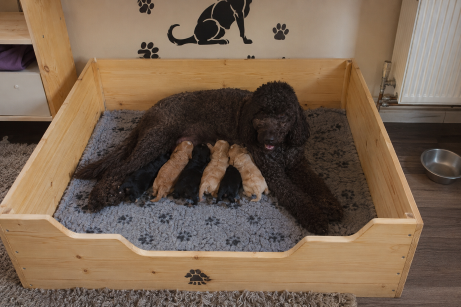
A whelping area is a dedicated, safe space for a pregnant dog to give birth and raise her puppies during their first few weeks of life. It is designed to provide privacy, comfort, and temperature control while protecting the newborn pups from drafts and the risk of being accidentally crushed by the mother.
At least a few weeks before the expected delivery date, you should have prepared a comfortable whelping box. The space should be: Clean, Dry, Warm, Quiet, Easy to access.
Many dogs naturally begin exploring the area and nesting before labor begins. Introducing the whelping box early gives your dog time to become comfortable with it.
Signs That My Dog’s Labor Is Near
In order not to be taken unaware by your dog’s delivery date, you need to be able to figure out when her labour is near. This is usually possible to easily figure out, because there are certain signs she may definitely show when her labour is near. Some of these signs are: Nesting behavior, Restlessness, Refusing food, Increased panting, Frequent pacing, Drop in body temperature.
These signs often appear within 24 hours of delivery. During this period, you need to keep a close eye on your dog and make sure you have your veterinarian’s contact information readily available.
Caring for Your Dog After Delivery
If you care for your pregnant dog during pregnancy and fail to care for her after pregnancy, your effort may be prone to futility. You also need to provide certain care for her after delivery, to sustain the mother and her baby.
Once the puppies arrive, the mother usually requires some essential things like: Plenty of fresh water, High-quality food, A clean environment, Adequate rest, Regular health monitoring.
Watch both the mother and puppies closely during the first few days after birth. Healthy puppies should nurse regularly, gain weight, and remain warm. If the mother refuses to care for the puppies or if any puppy appears weak, seek veterinary assistance immediately.
Things You Should Not Do
Many first-time dog owners unknowingly make mistakes during canine pregnancy. Some of the most common include: Overfeeding early in pregnancy, Giving unnecessary supplements, Skipping veterinary visits, owing excessive physical activity, Ignoring warning signs of illness, Waiting too long to prepare for delivery
Avoiding these mistakes can help improve the chances of a healthy pregnancy and successful birth.
Conclusion
Taking care of a pregnant dog is not as complicated as many people think. With proper nutrition, moderate exercise, regular veterinary care, and a comfortable environment, most dogs can go through pregnancy safely and deliver healthy puppies. The key is paying attention to your dog’s changing needs and responding quickly if something seems wrong. A little preparation now can make the entire experience much smoother for both the mother and her puppies.