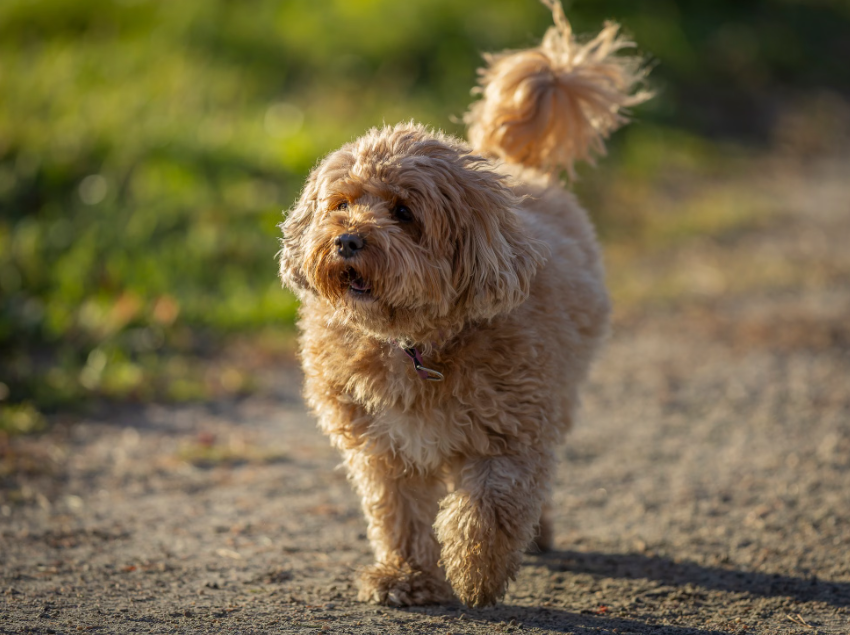
The Havanese dog temperament is one of the main reasons this small breed has become popular among families, apartment dwellers, and people looking for a loving companion dog. Havanese dogs are often described as cheerful, friendly, intelligent, playful, and very attached to their owners.
But there is more to their personality than simply being cute and affectionate.
A Havanese can follow its owner from one room to another, become excited when visitors arrive, turn an ordinary moment into playtime, and then settle quietly beside someone on the sofa. From my experience handling dogs, I have noticed that small companion breeds often form very close bonds with the people around them. The Havanese appears to take that attachment seriously.
This can be a lovely quality, but it also means the breed may not enjoy being left alone for long periods.
Before bringing home a Havanese puppy, it is nice to understand how the breed behaves around children, strangers, other pets, and family members. It is also important to know what training, socialisation, exercise, grooming, and daily attention the dog may need.
What Is a Havanese Dog?
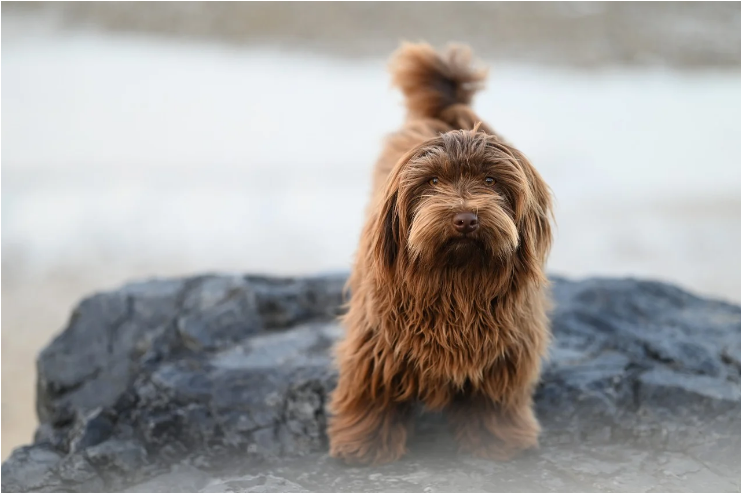
The Havanese is a small companion dog that originated in Cuba. It is the only dog breed native to the country and has a long history as a household companion. The breed is part of the Toy Group and is known for its long, soft, wavy coat, expressive eyes, and lively movement.
Although the Havanese looks delicate because of its small size and silky coat, it is generally a sturdy little dog with plenty of energy and confidence. The breed was developed mainly to live closely with people, which helps explain why many Havanese dogs enjoy attention and prefer being involved in family activities.
The American Kennel Club’s Havanese breed profile describes the breed as intelligent, outgoing, and affectionate. These qualities are often noticeable in everyday life.
A Havanese may sit beside its owner while work is going on, follow family members around the house, or become curious when it hears a new sound. It usually wants to know what is happening around it.
Havanese Dog Temperament
The typical Havanese personality can be described as:
- Affectionate and people-oriented
- Friendly and social
- Playful and lively
- Intelligent and eager to learn
- Gentle with proper handling
- Alert and sometimes vocal
- Adaptable to different homes
- Sensitive to long periods of isolation
Of course, no two dogs behave exactly alike. A dog’s temperament can be influenced by genetics, early socialisation, training, health, environment, and daily experiences.
A Havanese raised in a calm and loving home may behave differently from one that receives little attention or has had poor experiences with people.
1. Are Havanese Dogs Affectionate?
Yes, affection is one of the strongest Havanese personality traits.
Many Havanese dogs enjoy sitting close to their owners, following people around the house, resting on a lap, or staying nearby while the family is busy. They often like physical attention, but each dog has its own comfort level.
Some may want to be carried often, while others prefer lying beside their owners rather than directly on them.
From my experience as a dog owner, dogs that receive calm attention and consistent care usually become more comfortable around their families. The Havanese often respond well to this kind of relationship because companionship is already part of the breed’s natural character.
This strong attachment can make the Havanese a good companion for people who spend a lot of time at home. It may also suit retirees, remote workers, families, and people looking for a small dog that enjoys close interaction.
However, anyone who is away for most of the day should think carefully before choosing this breed.
2. Are Havanese Dogs Friendly With Strangers?
Most Havanese dogs are friendly, curious, and willing to interact with new people after a short period of observation.
Some may immediately run toward visitors with excitement. Others may stay close to their owners until they feel comfortable. A little caution around unfamiliar people is normal and does not automatically mean the dog is aggressive or poorly behaved.
Early socialisation can make a major difference.
A Havanese puppy should gradually meet different people, hear normal household sounds, experience safe new environments, and learn that unfamiliar situations are not always threatening. These experiences can help the dog grow into a calmer and more confident adult.
The breed is generally social, but owners should not assume that every Havanese will enjoy every stranger. Dogs still have individual personalities.
3. Do Havanese Dogs Get Along With Children?

The Havanese is often considered a good family dog because of its friendly and playful nature. Many enjoy playing with children and joining family activities.
Its small size can also make it easier to manage than a large, powerful breed. However, small dogs need gentle handling.
Young children should be taught not to pull the dog’s coat, grab its tail, disturb it while eating, or carry it carelessly. Even a patient dog may become uncomfortable when handled roughly.
Adult supervision is important, especially when a puppy is involved.
A Havanese may be playful enough to keep older children entertained, but it is not a toy. Giving the dog a quiet place where it can rest without being disturbed can prevent unnecessary stress.
For families comparing small companion breeds, the temperament may feel somewhat similar to that of Cavalier. Both are known for being affectionate and people-focused, although every breed has its own care needs and personality differences.
4. Are Havanese Dogs Good With Other Pets?
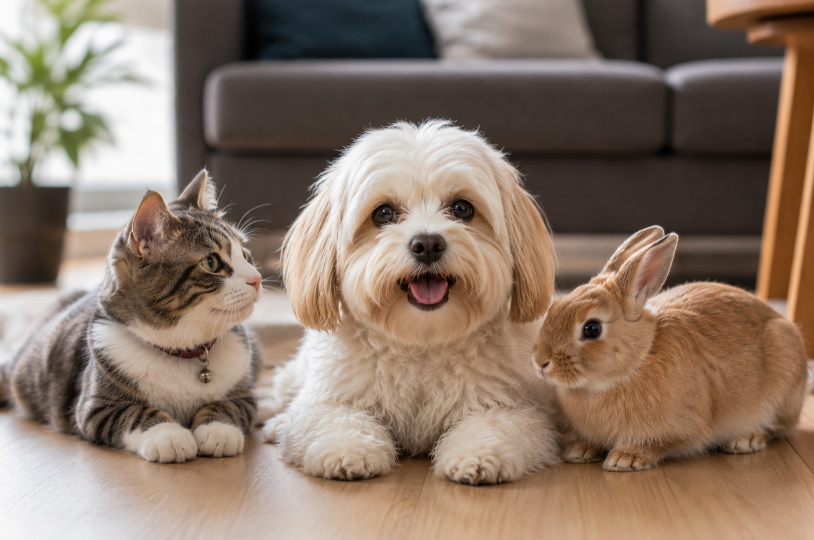
Many Havanese dogs can live peacefully with other dogs and household pets, especially when introduced properly.
Their friendly nature often makes social interaction easier. Still, good behaviour does not happen automatically. A dog needs time to adjust to a new animal, and introductions should be calm and supervised.
A Havanese puppy raised around other friendly dogs may become comfortable sharing space. An adult dog with limited social experience may need more patience.
When introducing a Havanese to another pet, avoid forcing them to interact immediately. Give both animals space and allow them to become familiar with each other gradually.
The dog’s individual personality also matters. Some Havanese dogs are very social, while others prefer quieter companionship.
5. Are Havanese Dogs Playful?
The Havanese is usually playful and lively, but it is not known for having the intense exercise needs of many working or sporting breeds.
A Havanese may enjoy chasing a toy, playing a short game indoors, learning tricks, or moving around the house with family members. It often has bursts of energy followed by periods of rest.
This playful nature can make the breed entertaining to live with. Some owners describe their Havanese as funny or clown-like because of the way the dog moves, reacts, or tries to get attention.
Mental stimulation is also useful. Simple training exercises, food puzzles, scent games, and short play sessions can keep the dog engaged.
A bored Havanese may become noisy, restless, or overly demanding of attention.
6. Is the Havanese Easy to Train?
The Havanese is generally intelligent and capable of learning quickly. Many respond well to positive, reward-based training.
Short training sessions often work better than long, repetitive lessons. A few minutes of focused practice can be more useful than continuing until the dog loses interest.
Owners can begin with basic commands such as:
- Sit
- Stay
- Come
- Leave it
- Down
- Go to your bed
Consistency matters more than harsh correction.
From my experience with dogs, training becomes easier when everyone in the home uses the same words and rules. If one person allows the dog to jump on furniture while another punishes it for doing the same thing, the dog may become confused.
The Havanese can also be sensitive to a harsh tone. Calm guidance, praise, and suitable rewards usually produce better results.
House training may require patience, especially during puppyhood. Small dogs have small bladders, so regular toilet breaks and a predictable routine are important.
7. Do Havanese Dogs Bark a Lot?
The Havanese is alert and may bark when it hears someone approaching, notices an unfamiliar sound, or becomes excited.
This can make the dog a useful little alert dog. It may notice visitors before anyone else in the house does.
However, barking can become excessive when the dog is bored, anxious, poorly trained, or repeatedly rewarded for making noise.
The American Kennel Club’s article on Havanese lifestyle suitability notes that Havanese dogs may bark to alert their owners but are not necessarily nonstop barkers.
Teaching a “quiet” command early can help. Owners should also identify the reason behind repeated barking.
For example, a dog that barks because it sees people through a window may benefit from reduced visual stimulation. A dog that barks when left alone may need gradual training to become more comfortable with separation.
Shouting at the dog may only make the situation louder because some dogs interpret shouting as joining the noise.
8. Do Havanese Dogs Have Separation Anxiety?
A Havanese can become very attached to its family. This is one of the breed’s most appealing qualities, but it can also create challenges.
Some Havanese dogs struggle when left alone for long periods. They may become restless, vocal, or overly excited when their owners return.
Not every Havanese develops separation-related problems. Early training and a predictable routine can help the dog become comfortable spending short periods alone.
Owners can start by leaving the puppy in a safe area for a few minutes and gradually increasing the time. The goal is to teach the dog that being alone for a short period is normal and that the owner will return.
Avoid making every departure dramatic. Calm exits and calm returns may help prevent the dog from treating every absence as a major event.
If a dog shows persistent distress, a qualified veterinarian or certified animal behaviour professional may be able to help rule out health issues and develop an appropriate plan.
9. Are Havanese Dogs Aggressive?
The Havanese is not generally known as an aggressive breed.
Most are friendly, affectionate, and social. Still, any dog can react negatively when frightened, injured, poorly socialised, or repeatedly pushed beyond its comfort level.
Small dogs are sometimes treated as if their warning signs do not matter. A person may pick them up without permission, disturb them while resting, or allow children to handle them roughly.
These experiences can cause fear or defensive behaviour.
Owners should learn to notice signs that a dog needs space. Turning away, moving back, becoming stiff, or avoiding contact may indicate discomfort.
Good socialisation and respectful handling can support a more confident temperament.
10. How Much Exercise Does a Havanese Need?
The Havanese has moderate exercise needs.
A daily walk, indoor play, and short training sessions may be enough for many healthy adult dogs. The exact amount depends on the dog’s age, health, energy level, and lifestyle.
A puppy should not be pushed into long or exhausting exercise sessions. Older dogs may also need a gentler routine.
The Havanese can adapt well to apartment living because it is small and does not require a large garden. However, apartment living does not mean the dog should remain indoors without activity.
Regular movement and mental stimulation are still important.
11. Does Grooming Affect Havanese Behaviour?
Grooming may not look like part of temperament, but it can affect how comfortable a dog feels.
The Havanese has a long coat that may require regular brushing. If the coat becomes tangled or matted, grooming may become uncomfortable.
A dog that has painful or stressful grooming experiences may begin to avoid brushes, struggle during grooming, or become nervous when someone touches certain areas.
Starting gentle grooming while the dog is young can help it become familiar with brushing, bathing, nail care, and handling.
Keep grooming sessions calm and avoid rushing.
For owners planning long-term pet expenses, regular grooming, quality dog food, preventive care, pet insurance, and routine veterinary visits may all be worth considering. The cost can vary depending on location and the dog’s individual needs.
12. Is the Havanese a Good Dog for First-Time Owners?
The Havanese can be a good choice for first-time dog owners because it is affectionate, intelligent, small, and usually eager to be part of family life.
Its exercise needs are manageable compared with many larger breeds. It can also adapt to apartments and smaller homes.
Still, first-time owners should be prepared for grooming, training, regular attention, and possible difficulty with long periods of separation.
A Havanese may not be the best choice for someone who wants a very independent dog or spends most of the day away from home.
Conclusion
The Havanese dog temperament is best described as affectionate, cheerful, playful, intelligent, and strongly connected to people.
This is a small dog with a big interest in family life. It may follow its owner around the house, welcome visitors with excitement, enjoy learning tricks, and settle close to the people it trusts.
Its loving nature can make it a wonderful companion, but that same attachment means it may need help learning to stay calm when alone.
A well-socialised Havanese that receives regular exercise, gentle training, proper grooming, and consistent care can grow into a friendly and enjoyable family dog.
Before choosing any breed, look beyond appearance. Consider your schedule, living space, budget, grooming routine, and the amount of time you can realistically spend with the dog.
The right dog is not simply the cutest one. It is the one whose needs fit your everyday life.
For more breed information, the Havanese Club of America’s health resources provide useful information about the breed’s general health, responsible breeding, and recommended health testing.