Few dogs have a look as unique as the sausage dog. With its long body, short legs, and confident walk, it easily attracts attention wherever it goes. Many people fall in love with the appearance first, without first understanding what the temperament is like.
Sausage dog temperament can be loving, funny, stubborn, brave, and surprisingly vocal. It may be small in size, but it rarely behaves as if it is small. After spending time around several dachshunds over the years, one thing became very clear to me. This breed has a big personality packed into a little body.
If you are planning on getting the sausage dog breed, then it may be wise to understand the temperament first before making your decision.
What Is a Sausage Dog?
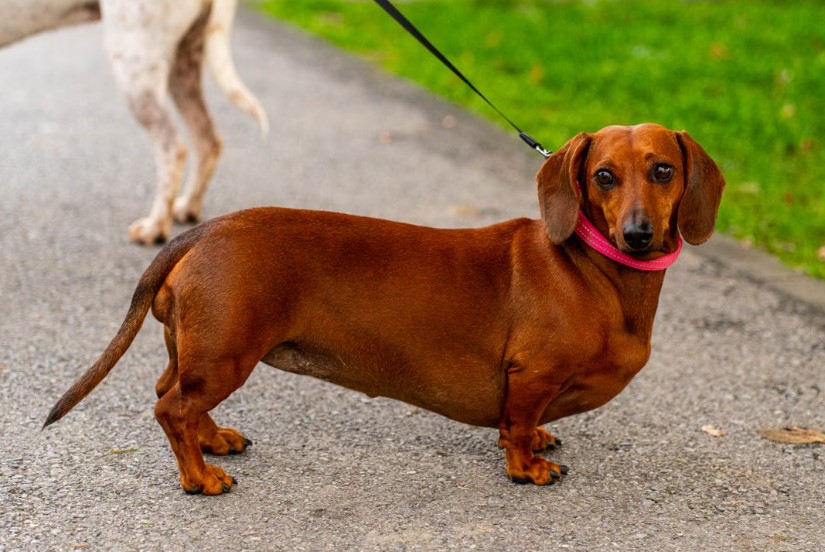
A sausage dog is another name for the Dachshund. The nickname comes from its long body and short legs, which make it look similar to a sausage.
The breed was originally developed in Germany to hunt badgers and other animals that lived underground. That hunting history still shows in its personality today. Even though many dachshunds now live comfortably inside family homes, the instincts that made them excellent hunters have never disappeared.
That explains why many sausage dogs love digging, chasing moving objects, and investigating every corner of the house.
What Is the Sausage Dog Temperament Like?
The best way to describe a sausage dog’s temperament is bold and full of confidence.
Many first-time dog owners expect a quiet lap dog because of the breed’s size. That expectation usually disappears after a few days. A dachshund often behaves like a much bigger dog.
From my own experience, the funniest thing about sausage dogs is how seriously they take themselves. Mine once stood at the gate barking at a large German Shepherd with complete confidence. Looking at the size difference made everyone laugh, but the dachshund never looked scared.
That fearless nature is one of the breed’s biggest personality traits.
Most sausage dogs are also:
- Very affectionate with their family
- Intelligent and quick learners
- Curious about everything
- Protective of their home
- Independent thinkers
- Playful even as adults
these qualities combine to create a dog that keeps life interesting.
1. Are Sausage Dogs Friendly?
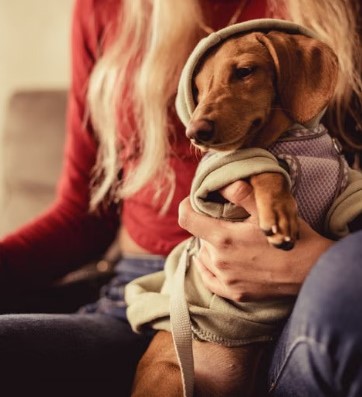
Yes, sausage dogs are friendly but friendship depends on who they are meeting.
With family members, most dachshunds become deeply attached. Many enjoy following their favourite person from room to room throughout the day. If sitting on the sofa, expect the dog to climb beside you instead of staying across the room.
Visitors can be a different story.
A sausage dog often watches strangers carefully before deciding whether they are welcome. Some bark first and relax later.
Early socialisation makes a huge difference. Puppies that meet different people, children, sounds, and environments often grow into calmer and more confident adults.
2. Do Sausage Dogs Like Children?
Most sausage dogs can live happily with children who know how to handle dogs gently.
Because of their long backs, rough handling can easily lead to injuries. Young children sometimes pick dogs up the wrong way or play too roughly without meaning any harm.
I always tell families that supervision is important, especially when small children are involved. Teaching children how to respect a dog’s space usually creates a much better relationship.
Families searching for a calm beginner-friendly breed may also enjoy reading about the Cavalier dog temperament, since Cavaliers are generally known for their gentle nature.
3. How Do Sausage Dogs Behave Around Other Pets?

This depends largely on how the dog was raised.
A dachshund that grows up with another dog often gets along very well with it. Many enjoy having a companion to play with.
Smaller animals can trigger the breed’s hunting instincts. Rabbits, hamsters, guinea pigs, and even pet birds may be seen as something to chase.
Cats are different.
Some sausage dogs become best friends with cats after proper introductions. Others continue trying to chase them around the house.
Introducing pets slowly usually gives everyone the best chance of living together peacefully.
4. Why Are Sausage Dogs So Stubborn?
One word explains it. Confidence.
Remember, these dogs were bred to enter underground tunnels alone and make decisions without waiting for human instructions. That independent thinking remains part of their personality today.
A dachshund often understands exactly what its owner wants but decides if it feels like cooperating.
I noticed this many times while teaching simple commands. Some days the dog responded immediately. Other days it looked straight at me as if negotiating better payment before following the command.
Patience works far better than punishment. Positive reinforcement with praise and treats normally produces much better results.
The American Veterinary Medical Association supports reward-based training because it encourages learning while reducing unnecessary stress for dogs.
5. Do Sausage Dogs Bark a Lot?
Many owners quickly discover that sausage dogs enjoy using their voice.
They often bark because:
- Someone is approaching the house.
- They hear unusual sounds.
- They become excited.
- They feel bored.
- They want attention.
Since the breed originally alerted hunters to animals hiding underground, barking became one of its strongest natural behaviours.
Training from puppyhood helps prevent excessive barking from becoming a daily problem.
6. Are Sausage Dogs Easy to Train?
They are intelligent enough to learn quickly. The challenge is convincing them that listening is worth the effort.
Short training sessions usually work much better than long ones. Keeping lessons fun also helps maintain their attention.
I have found that dachshunds respond best when training feels like a game instead of a strict routine.
Consistency matters far more than raising your voice.
7. Do Sausage Dogs Get Separation Anxiety?
Some do. Because they become strongly attached to their owners, many dislike being left alone for long hours every day.
A lonely dachshund may bark excessively, chew furniture, or dig around the house.
Leaving interactive toys, creating a comfortable resting area, and gradually teaching the dog to stay alone for short periods can reduce anxiety.
Families where someone stays home for part of the day often find this breed easier to manage.
8. How Much Exercise Does a Sausage Dog Need?
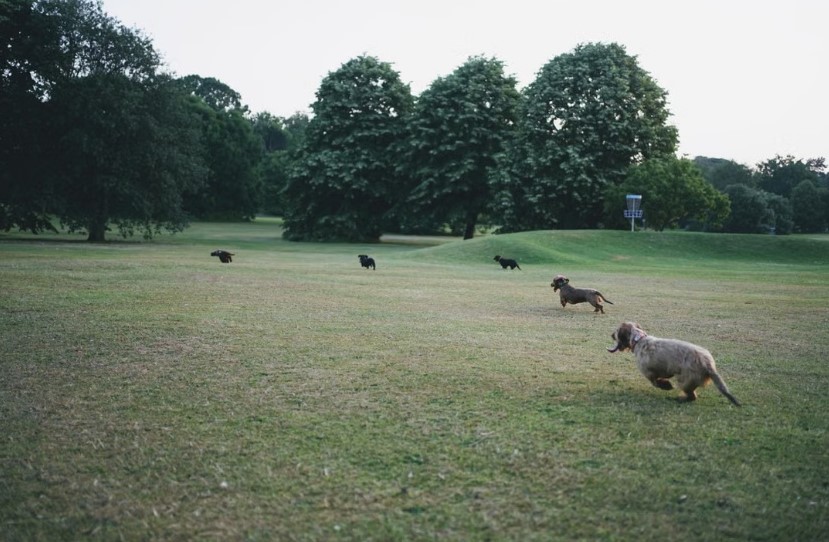
Despite the short legs, sausage dogs have plenty of energy. Daily walks and indoor play sessions usually keep them happy.
Exercise is also important for maintaining a healthy weight. Extra weight puts additional pressure on the breed’s long spine, increasing the risk of back problems.
Activities involving repeated jumping from beds, sofas, or stairs should be limited whenever possible.
9. Does the Sausage Dog Temperament Change With Age?
Yes. Puppies are usually energetic, curious, and constantly looking for something new to investigate.
Adult dogs often become more settled while remaining playful.
Senior dachshunds tend to enjoy quieter routines but still appreciate daily walks and family attention.
One thing that rarely changes is loyalty. Most sausage dogs remain devoted companions throughout their lives.
Sausage Dog Common Personality Challenges
No dog breed is perfect. The sausage dog has several personality traits that new owners should prepare for.
1. Digging
Digging comes naturally because of the breed’s hunting background. Providing a designated digging area in the garden can help reduce unwanted holes.
2. Chasing Small Animals
Birds, squirrels, and even fast-moving toys often activate their prey drive. Walking with a secure lead is always the safest option.
3. Possessiveness
Some dachshunds become protective of food, toys, or favourite people. Early training helps teach healthy boundaries before this develops into a bigger issue.
4. House Training
House training sometimes takes longer than expected. Patience and consistency usually produce good results over time.
Is a Sausage Dog Good for First-Time Owners?
Yes, a sausage dog is good for a first time dog owner, provided the owner understands the breed’s personality before bringing one home.
A sausage dog fits well with someone who:
- Has time for daily interaction.
- Enjoys playful dogs.
- Can provide regular training.
- Understands that stubborn moments are part of the package.
- Wants a loyal companion instead of a quiet dog that stays in one corner all day.
Anyone expecting a dog that obeys every command immediately may become frustrated. Those who appreciate a clever dog with plenty of character often fall in love with the breed.
Tips for Bringing Out the Best in a Sausage Dog
Over the years, I have noticed that small daily habits make a big difference. Give the dog enough physical activity without overworking its back. Introduce new people and places while the dog is still young.
Reward good behaviour instead of focusing only on mistakes. Avoid letting unwanted habits continue because they become much harder to correct later. Most importantly, spend quality time together.
Sausage dogs enjoy feeling involved in family activities. The stronger the bond becomes, the easier training and daily life usually become.
Conclusion
The sausage dog temperament is full of personality. This breed combines confidence, intelligence, affection, curiosity, and courage into one compact dog.
Life with a dachshund is rarely boring. One moment it is curled beside you on the sofa. The next moment it is proudly barking at something much bigger than itself as though it owns the entire neighbourhood.
For owners willing to invest time in training, socialisation, and proper care, the reward is a loyal companion that brings laughter and plenty of unforgettable moments. A sausage dog may have short legs, but its personality is anything but small.