A few weeks ago, I published a guide on the best dog breeds for first-time dog owners. I prepared that content because of the questions I was getting from beginners that want to own a dog for the first time.
However, I later checked the age bracket of those asking that question and found out that many of them are seniors. Some are retirees, grandparents, or seniors searching for a loyal companion to share their days with.
So I decided that I was also going to put up contents as well specifically to discuss the dog breeds that are specifically best fit for seniors.
Yes, for a long time now, I have spent time with different dog breeds; both energetic ones that hardly get tired, and calm ones that are always relaxing beside their owner.
One thing I have learned is that the best dog for a senior is not necessarily the smartest, strongest, or most popular breed. The right dog is simply one that matches the owner’s lifestyle.
A good companion dog can reduce loneliness, encourage daily walks, provide emotional support, and bring structure to everyday life. According to the American Kennel Club (AKC), dog ownership can have positive effects on both physical and emotional well-being.
So, if you are a senior looking for a dog breed that can fit your person, then these breeds we are going to discuss here are worth considering.
Who are Seniors?
Seniors are generally elderly individuals in the society who have reached the age of 60 years and above. They are now older people and may seem to have less energy than the younger ones.
Factors to Consider When Choosing a Dog Breed for Seniors
What really makes a dog breed a good fit for a senior? It is not always about choosing the smallest dog or the most popular breed. The best choice is usually a dog whose temperament, energy level, and care requirements match the owner’s lifestyle.
Before choosing a dog breed for seniors, here are the factors you should consider:
1. Calm and Friendly
Of course seniors no longer need anything that comes with stress. A dog with a calm and gentle temperament is often easier for seniors to manage.
From my experience, I noticed that dogs that are naturally friendly easily adapt better to visitors, family gatherings, and everyday interactions.
Dog breeds that have too much energy and react too much, may be more difficult to handle.
When talking of calm and friendly dogs, I can highly recommend breeds like: the Cavalier King Charles Spaniel, Shih Tzu, and Maltese.
2. Moderate or Low Exercise Needs
Every dog needs some form of daily exercise, but the amount varies from breed to breeds.
In all the breeds I have managed, I can say that some breeds may need just little exercises to stay active. For such breeds, short walks and indoor play sessions can be enough for them to stay active.
While some breeds may require a very high amount of exercises. Like several hours of physical activity every day.
For many seniors, a breed with moderate or lower exercise requirements is often the better option. This will help to reduce stress on their own side, managing the dog..
3. Easy-to-Manage Size
Another factor to consider while choosing a dog breed for seniors, is the size of the dog. Large dogs can be wonderful companions, but they may be harder to control if they become excited or suddenly pull on a leash. They also tend to require more space and may be more physically demanding to care for.
Small and medium-sized breeds are often easier for seniors to lift, transport, groom, and manage during walks. However, size should not be the only deciding factor. Some large breeds, such as Greyhounds, can be surprisingly calm and easygoing.
4. Strong Companionship Instincts
Many seniors look for more than just a pet. They want a loyal companion.
Breeds that enjoy human interaction and develop close bonds with their owners can provide comfort, emotional support, and companionship throughout the day. These dogs are often happiest when spending time with their family rather than being left alone for long periods.
From all the breeds I have managed, I found breeds like: Cavalier King Charles Spaniel, Maltese, Shih Tzu, and Havanese to have strong companion instincts.
5. Grooming and Maintenance Requirements
One of the things I noticed in my earlier stage of grooming dogs, is that some breeds are very easy to groom and maintain; while some are harder because they require more tedious tasks to maintain.
Some breeds require regular brushing, professional grooming appointments, and ongoing coat maintenance. Others have shorter coats that are easier to care for.
There is no right or wrong choice here. Some seniors enjoy grooming their dogs and see it as part of the bonding experience. Others may prefer a breed that requires less upkeep.
From the breeds I have groomed, I would say that breeds like Shih Tzu, Maltese, and Poodle usually need frequent brushing and regular visits to a groomer to keep their coats healthy and free from tangles.
While some breeds like French Bulldog, Pug, and Greyhound have short coats that are generally much easier to maintain and require less grooming effort.
Best Breeds for Senior
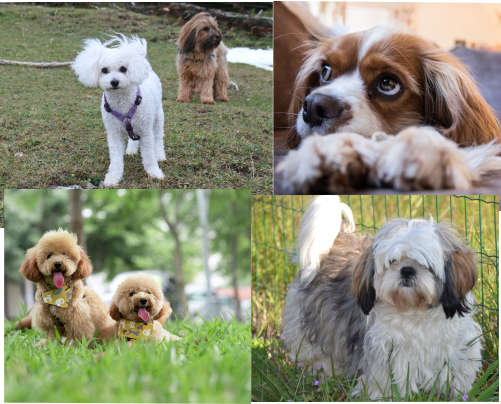
Now that we have analyzed what you really need to check while choosing a dog breed for seniors; let’s now discuss the actual breeds I found very fit for seniors.
1. Cavalier King Charles Spaniel

From my experience, the first dog breed I will be recommending for seniors is the Cavalier King Charles Spaniel.
What I noticed about this breed is that they are happy, affectionate, gentle, and love to be with people.
Their small size makes them easy to handle, especially for older adults who may not want a large dog pulling on a leash.
2. Shih Tzu
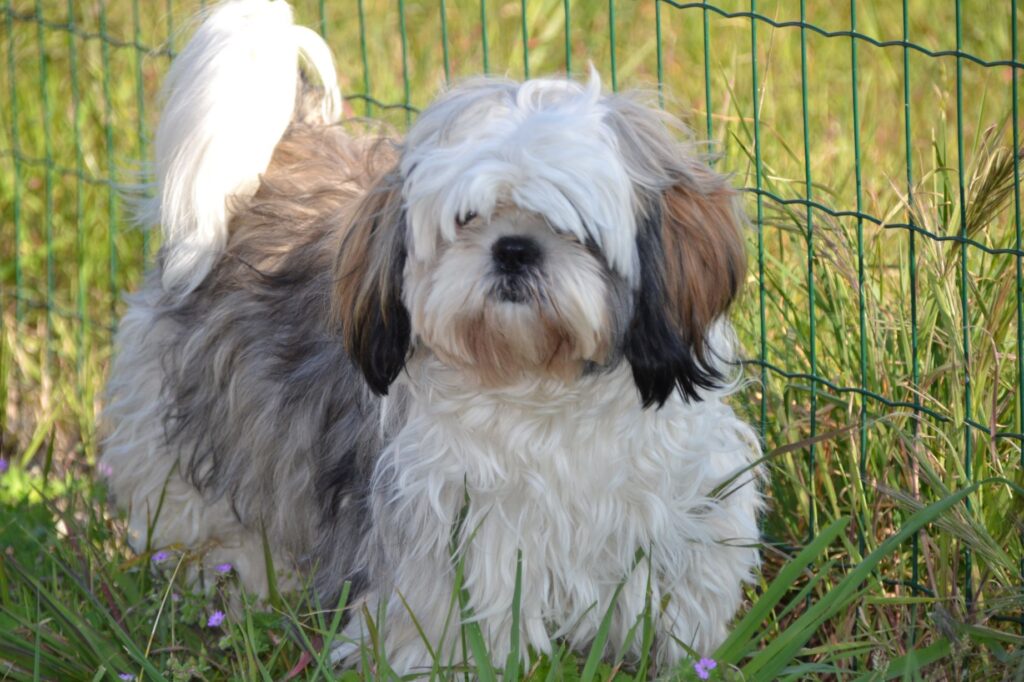
Another breed I will be recommending is the Shih Tzu. I found this breed to be a good companion dog.
Unlike working breeds that constantly seek tasks and stimulation, Shih Tzus simply enjoy spending time with their people.
They are affectionate without being overly demanding and tend to get along well with visitors and family members.
3. Bichon Frise
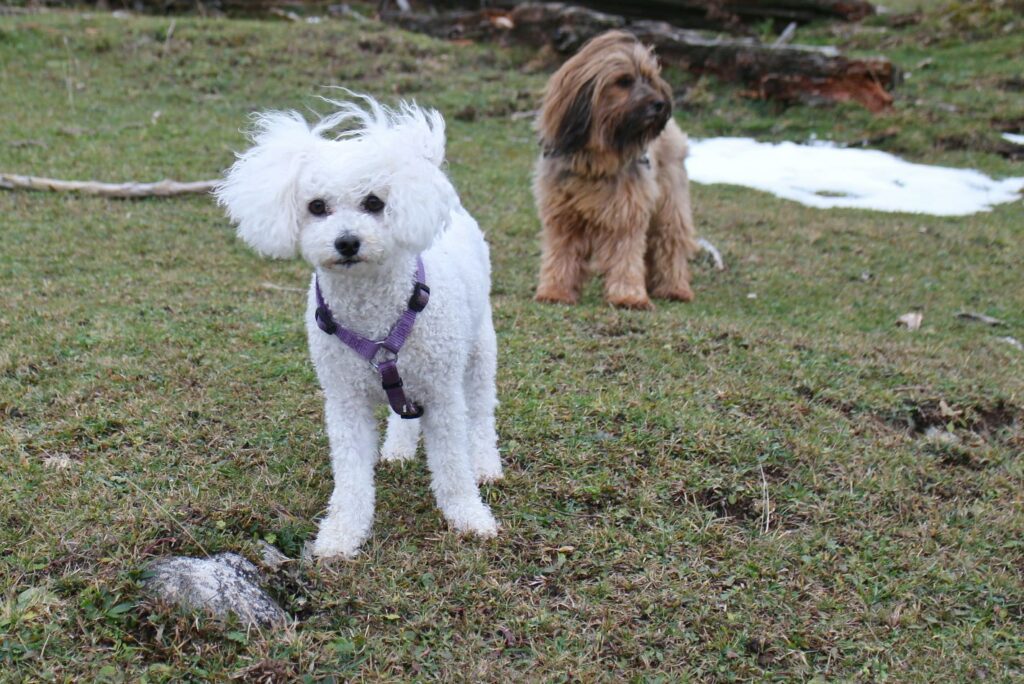
This is one of my favourite dog breeds, and I highly recommend it for seniors. I found the breed to be very playful, cheerful, friendly, and adaptable.
One more reason this may fit seniors very highly, is because the breed does not shed their coat too much. This means there won’t be much hair around the home compared to many other breeds.
4. Poodle
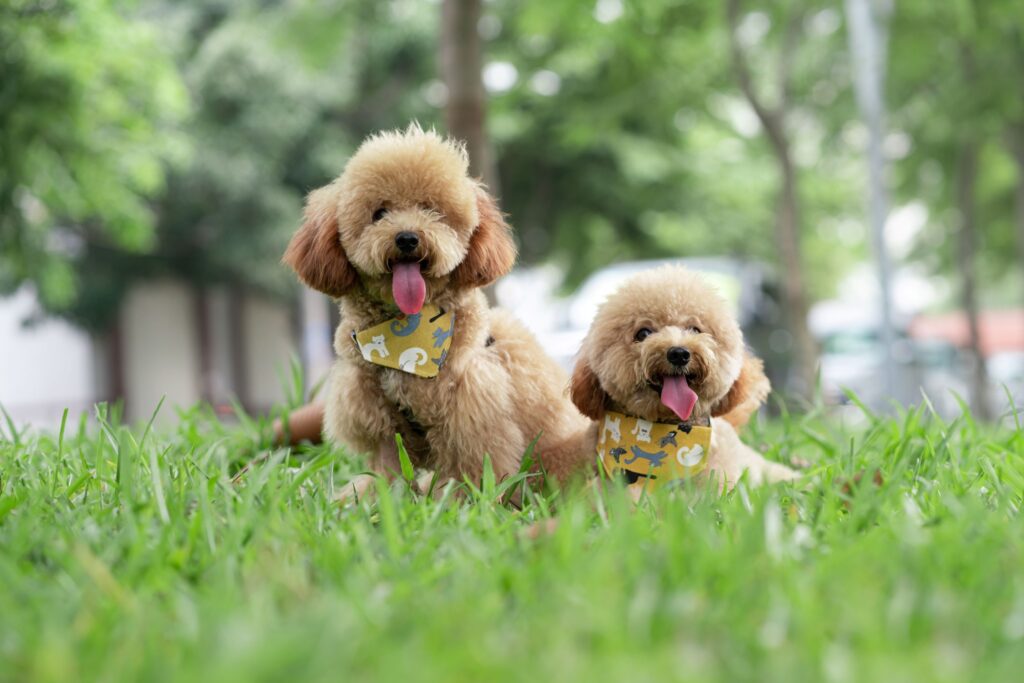
Another breed I will be recommending here is the Poodles. One of the reasons I will be recommending this breed is because of their size and intelligence. They are a very intelligent breed, and usually come in sizes like: Toy, Miniature, and Standard sizes.
5. Maltese

Another breed I will recommend for seniors is the Maltese. I am recommending this breed because I see them to be a good companion. Also, they enjoy spending time indoors and do not require much exercise to stay active; a short daily walk and some playtime are already enough.
6. French Bulldog

What I found out about this breed called French Bulldog, is that they are very affectionate, entertaining, and generally low-energy compared to many other breeds. This makes them a good fit for seniors.
7. Pug
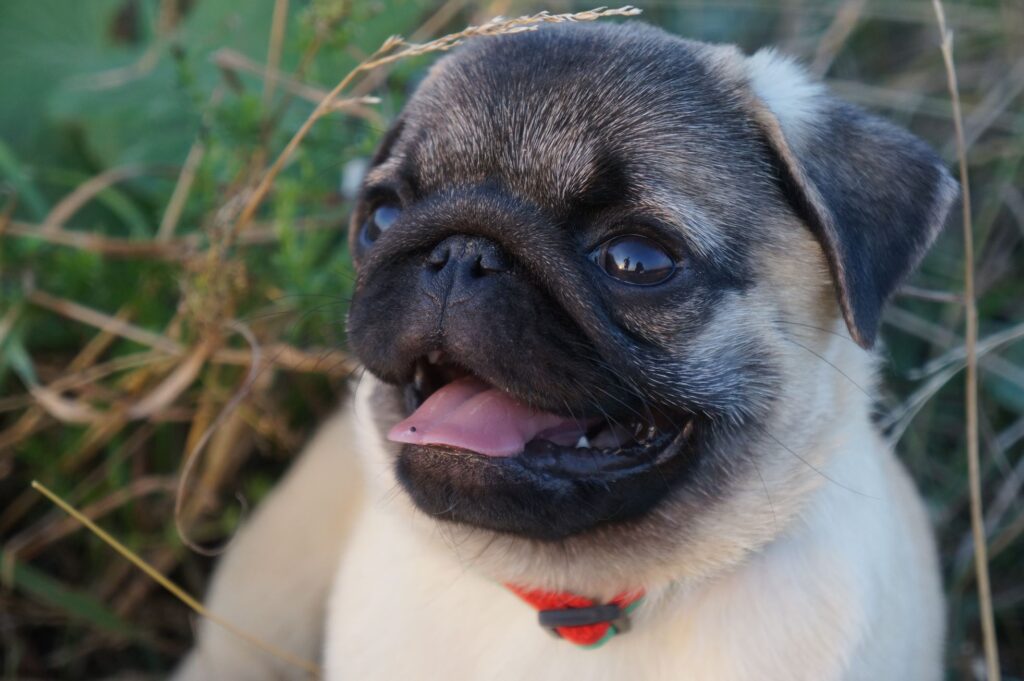
This is one of my favourite dog breeds I have managed. One of the reasons I like them is because they are playful. They can easily make people laugh, especially the way they make facial expressions. This is a unique feature that can keep a good company for seniors.
8. Greyhound
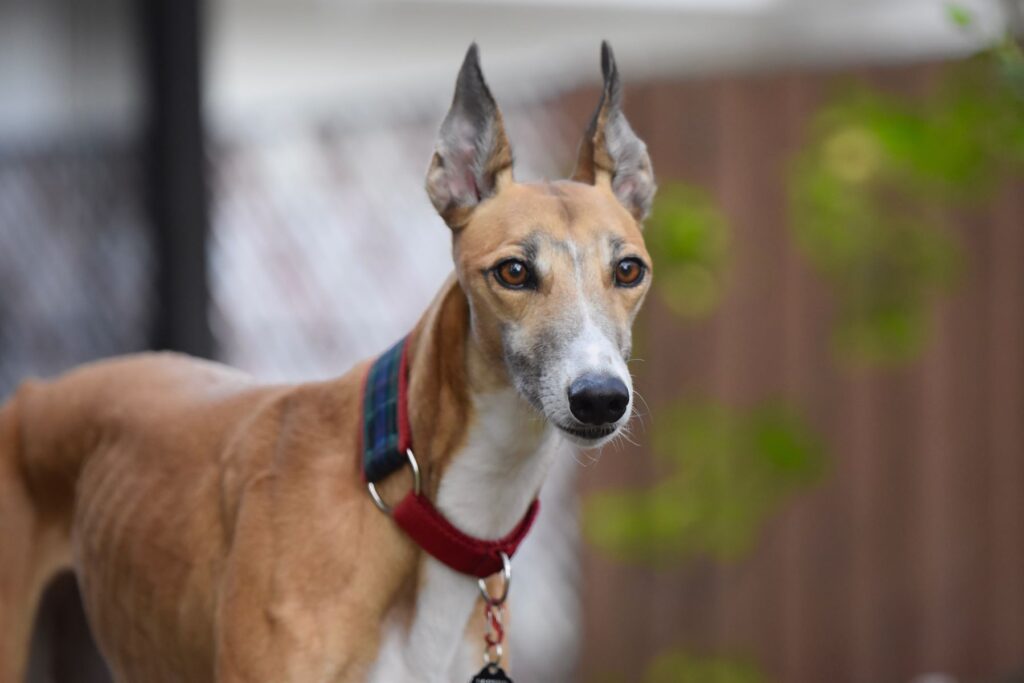
The Greyhound is usually calm, gentle, and mostly lazy indoors. This makes it a perfect breed for seniors who would always want their dog around them at home.
9. Pembroke Welsh Corgi
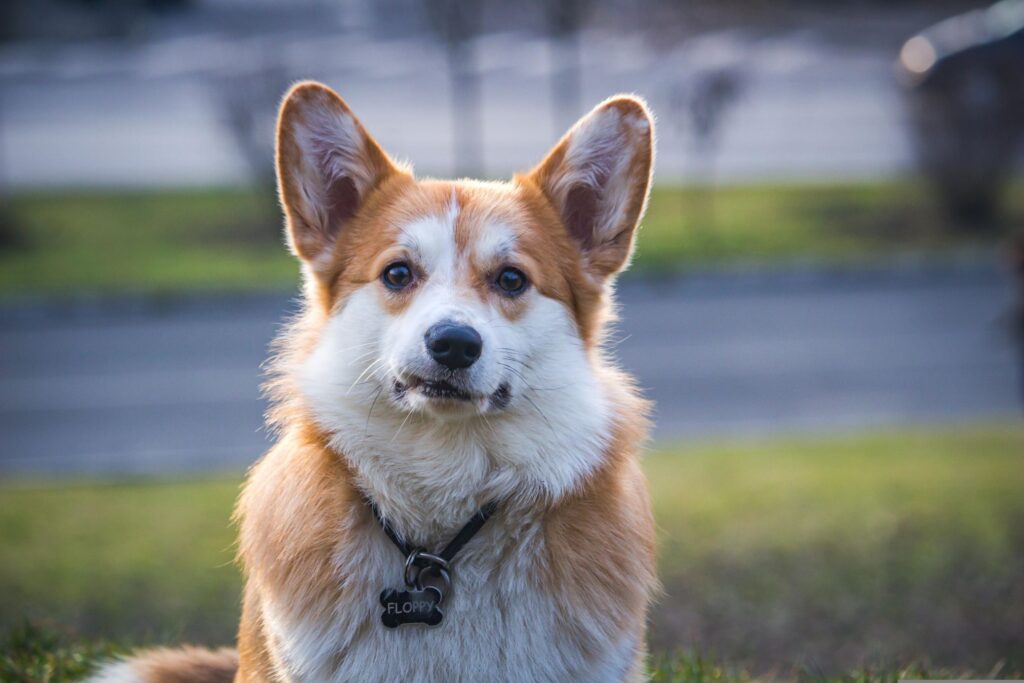
For seniors who enjoy daily walks and outdoor activities, this breed, Pembroke Welsh Corgi, can be a good fit for you.
More things I found out about this breed is that they are intelligent, loyal, and often develop strong bonds with their owners.
Compared to some breeds on this list, they have higher energy levels, but many seniors enjoy that extra motivation to stay active.
10. Havanese
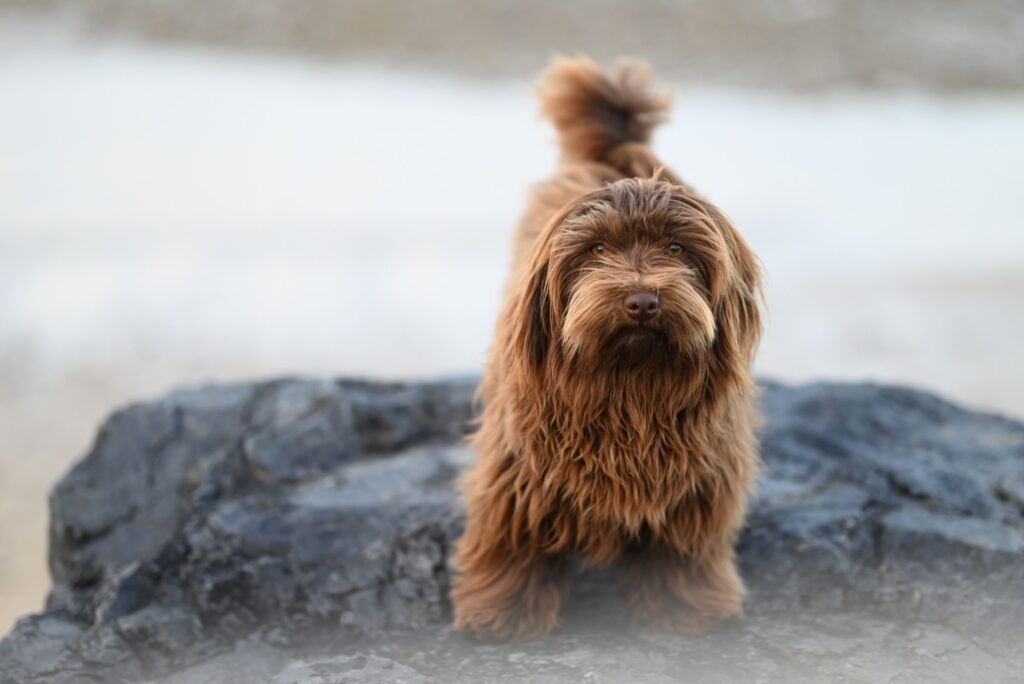
For seniors looking for a companion dog, then this breed can be a good fit for you. This breed is good for companionship and tends to fit well into a relaxed household environment. They are affectionate without being overly demanding and adapt well to different living situations.
Should Seniors Adopt a Puppy or an Adult Dog?
From personal observation, many seniors do better with an adult dog.
Puppies are adorable, but they also bring: house training challenges, frequent vet visits, high energy levels, and so on.
An adult dog usually has a more predictable personality and energy level, making it easier to find a suitable match.
Organizations like the ASPCA often recommend considering adult and senior dogs because their behavior is easier to evaluate.
Conclusion
The best dog breed for a senior is basically based on compatibility. Some seniors want a walking partner. Others may simply want a loyal companion beside them while reading, gardening, or relaxing at home.
From all the breeds I have managed, if I am to choose dog breeds that are generally a good fit for seniors, then I would choose breeds like: the Cavalier King Charles Spaniel, Shih Tzu, Bichon Frise, Maltese, and Havanese. A dog does not have to be perfect. It only needs to fit comfortably into your daily life.