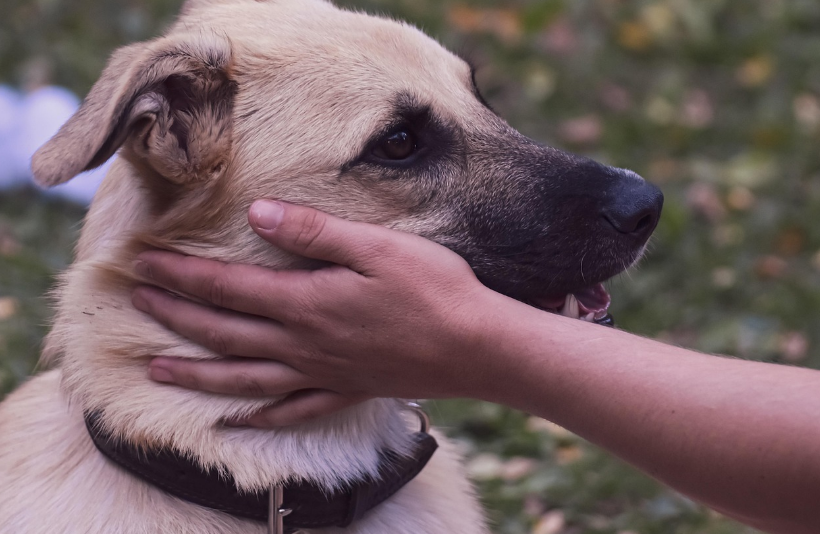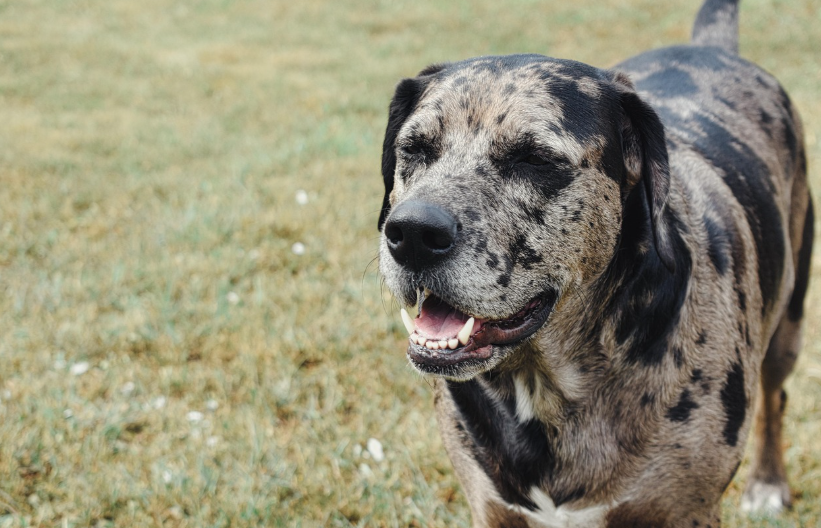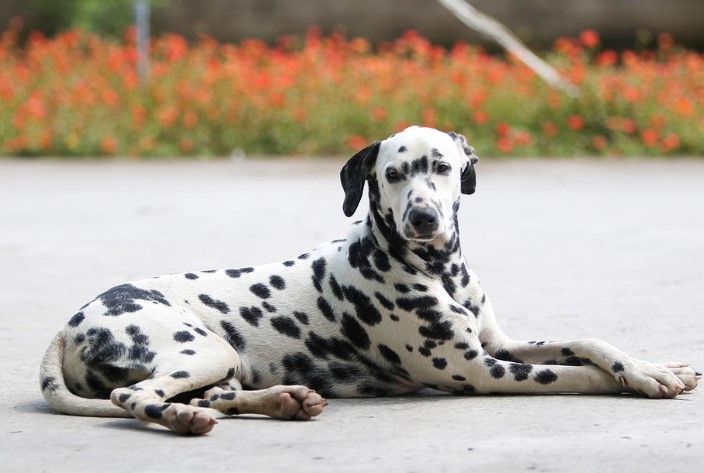
If there is one thing I have learned after spending years around dogs, it is this: two dogs can look almost the same but behave like complete opposites.
I have seen calm dogs that stay quietly beside their owners all day. I have also handled dogs that become excited the moment they hear footsteps outside the gate. At first, I thought training was the only reason behind those differences. With time, I realized temperament plays a very big role.
Many people buy a dog because they like the breed or the appearance. A few weeks later, frustration starts because the dog’s behaviour does not match what they expected. Most times, the problem is not that the dog is bad. The owner simply did not understand the dog’s natural temperament.
Knowing your dog’s temperament can save money, reduce stress, improve training, and help both of you enjoy life together. It also makes it easier to know the right food, exercise routine, healthcare, and even the best way to introduce the dog to visitors or other pets.
What Is Dog Temperament?
Dog temperament simply means the natural way a dog behaves and reacts to people, animals, sounds, and different situations.
Think of temperament as part of a dog’s personality that comes naturally. Training can improve behaviour, but it cannot completely remove the temperament a dog was born with.
For example, one puppy may naturally enjoy meeting strangers. Another puppy from the same litter may prefer watching from a distance before coming closer.
Neither one is wrong. They simply have different temperaments.
Over the years, I have noticed that owners who understand this become far less frustrated. Instead of trying to force every dog to behave exactly the same way, they learn to work with the dog’s natural strengths.
Difference Between Temperament and Behaviour
This is where many people get confused. Behaviour is what a dog does. Temperament is the reason the dog naturally reacts that way.
For example, a dog that barks whenever someone knocks at the gate may simply have a protective temperament. Training can teach the dog when to stop barking, but it cannot completely remove that natural instinct to alert the family.
Another example is fear.
Some dogs become nervous during thunderstorms. Others sleep peacefully through the same noise. Their reactions are influenced by temperament, although past experiences can also affect them.
That is why punishment rarely solves temperament-related issues. Patience and proper training usually produce much better results.
What Shapes a Dog’s Temperament?
People often ask whether temperament comes from breeding or upbringing. From what I have seen, both matter.
A puppy inherits certain traits from its parents. Responsible breeders usually pay attention to temperament before breeding dogs because calm, confident parents often produce puppies with similar qualities.
Life experiences also have a huge impact.
A puppy that grows around different people, children, sounds, and places usually becomes more confident than one kept in isolation.
Early socialisation can make an enormous difference.
I have watched nervous puppies slowly become relaxed after regular positive interactions with people and other dogs. Their natural temperament remained the same, but confidence improved.
Daily handling matters too.
Dogs that receive kindness, consistency, exercise, and mental stimulation often develop healthier emotional responses than dogs constantly exposed to fear or harsh punishment.
Common Dog Temperament Types
Dogs rarely fit into one perfect category, but certain temperament patterns appear again and again. Let’s look at some of the temperaments that are commonly associated with dogs.
1. Calm and Relaxed

Some dogs simply enjoy peace. These dogs are usually content lying close to their owners, watching what is happening around them without becoming overly excited.
Many families appreciate this type of temperament because daily life becomes easier.
Even calm dogs still need exercise. A relaxed temperament should never be mistaken for laziness.
2. Energetic and Playful
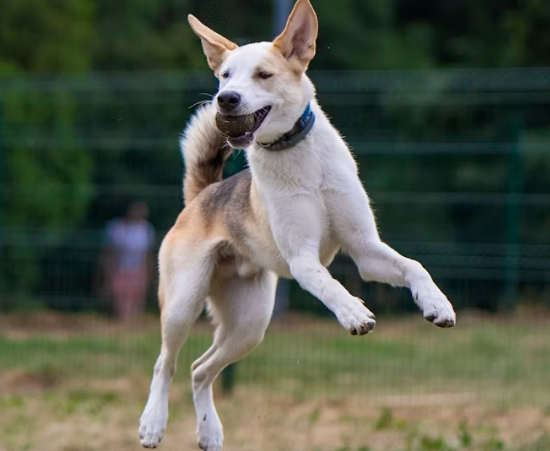
Some dogs seem to have endless energy. Morning, afternoon, and evening, they still want another game, another walk, or another toy.
Without enough activity, these dogs often become destructive.
I once looked after a young dog that destroyed slippers almost every week. The owner blamed stubbornness. After increasing daily walks and play sessions, the chewing reduced dramatically.
The dog simply had extra energy with nowhere to release it.
3. Protective Temperament
Some dogs naturally watch over their homes and families.
They notice unusual sounds quickly and often alert their owners before anyone else becomes aware.
Protective dogs can become wonderful companions when properly socialised. The key is helping them recognise normal situations instead of viewing every visitor as a threat.
4. Friendly and Social
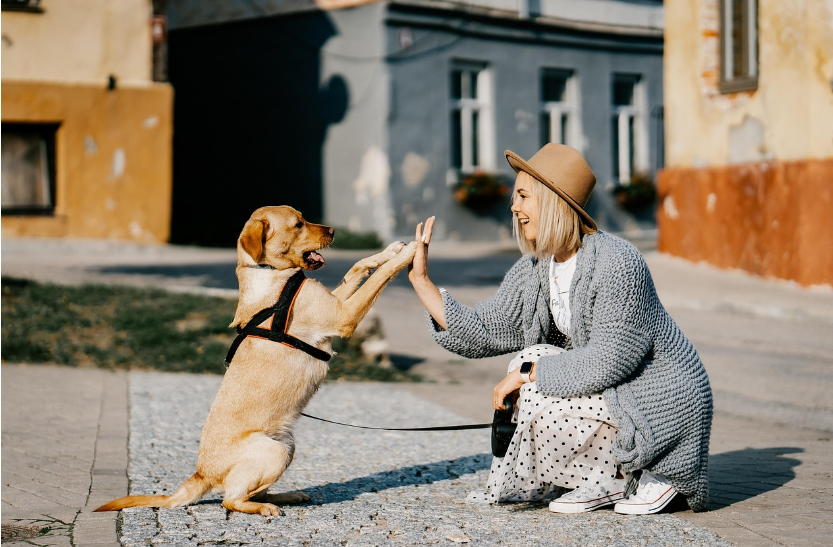
Certain dogs behave as though everybody is already their best friend. Guests arrive, and the tail starts wagging immediately. These dogs often enjoy children, neighbours, and other pets.
Even so, proper training remains important. A friendly dog that jumps on visitors can accidentally knock down children or elderly people.
5. Independent Dogs
Some dogs enjoy affection but also appreciate their own space. Instead of following the owner everywhere, they may relax quietly in another part of the house.
Many first-time owners wrongly assume these dogs do not love them. That is simply how some dogs naturally express themselves.
How Do I Know My Dog’s Temperament?
You do not need special equipment to understand your dog’s temperament. You just have to pay attention during everyday activities. Watch how the dog reacts when strangers visit. Notice the response during walks. Observe body language around children. Pay attention during feeding time. See how quickly the dog recovers after hearing loud noises.
These little moments often reveal much more than a formal temperament test.
One habit I developed over the years was simply sitting outside with my dogs in the evening without trying to control everything they did. Watching them respond naturally taught me far more than constantly giving commands.
Can Dog Temperament Change?
This question comes up very often. The short answer is yes and no. A dog’s basic temperament usually stays the same throughout life.
However, confidence, obedience, emotional control, and social skills can improve tremendously with proper care.
Think of temperament like someone’s natural personality. A shy person may become more confident after years of experience, but that person may still prefer quiet environments over crowded parties.
Dogs are very similar. Training does not replace temperament. Training teaches the dog how to manage natural instincts.
How Early Social Life Can Help
One of the biggest mistakes many owners make is waiting until the dog becomes older before introducing new experiences.
Puppies learn quickly. Meeting different people, hearing traffic, seeing bicycles, visiting safe places, and interacting with vaccinated dogs can help build confidence.
This does not mean exposing puppies to dangerous situations. Positive experiences are the goal. Fearful experiences during puppyhood can leave lasting impressions.
Can Breed Influence Temperament?
Yes. Every dog is unique, but breed history still matters. Dogs originally bred for guarding often remain naturally alert. Dogs developed for retrieving usually enjoy carrying objects. Herding breeds may instinctively chase moving animals.
Understanding breed tendencies helps set realistic expectations. That was one lesson I learned after spending time with different breeds. Expecting every breed to behave exactly the same only creates disappointment.
If you are choosing a dog for the first time, reading about breed temperament before bringing one home can save plenty of future stress. That is also one reason many new owners spend time comparing breeds before deciding which one matches their lifestyle.
Can Exercise Affect Temperament?
Exercise does not change temperament, but it affects behaviour. A bored dog often develops unwanted habits; Chewing furniture, Constant barking, Digging holes, Excessive jumping.
Many times, these problems reduce after regular physical activity. Simple daily walks, games, and mentally stimulating toys can make a noticeable difference.
Dogs enjoy having a job, even if that job is simply searching for treats hidden around the compound.
Can Diet Affect Temperament?
Food cannot completely change temperament. However, poor nutrition can affect overall health, energy levels, and mood.
That is why I always pay attention to feeding quality food suitable for each dog’s age and size. Healthy dogs generally cope with stress better than dogs struggling with nutritional deficiencies.
Owners raising large breeds may already know how proper nutrition supports healthy growth. The same balanced feeding approach also contributes to stable energy and overall wellbeing.
How to Handle an Aggressive Temperament
Aggression is one area where patience becomes very important. Some dogs react aggressively because of fear. Others become protective over food or territory.
Some develop aggressive habits after negative experiences. Instead of immediately assuming the dog is dangerous, spend time understanding what triggers the reaction.
Professional dog trainers or qualified veterinarians can help identify underlying causes, especially when aggression appears suddenly.
Harsh punishment often makes fear-based aggression worse. Calm, consistent training usually produces better long-term results.
How Can I Help a Shy or Nervous Dog?
Not every dog enjoys attention immediately. Some need extra time.
I have handled dogs that refused to come close during the first few days. Instead of forcing interaction, I allowed them to observe quietly. Eventually curiosity took over.
Building trust little by little worked much better than rushing the process. Small victories matter, A relaxed body posture, A gentle tail wag, Taking treats confidently, Walking without hesitation. These signs show growing confidence.
How Can I Cope With My Dog’s Temperament
Life becomes easier once expectations match reality. Instead of wishing for a different dog, focus on bringing out the best in the one already living with you.
Celebrate progress. Stay consistent with routines, Provide regular exercise, Use positive training methods, Spend quality time together.
Dogs understand patience better than pressure. Over time, that trust strengthens the relationship more than anything else.
Conclusion
Dog temperament is not something to fear. It is something to understand. The moment I stopped expecting every dog to behave the same way, raising dogs became much more enjoyable for me.
Some dogs are naturally playful. Some stay calm. Some love meeting strangers. Others prefer observing first before making friends.
Each temperament comes with strengths and small challenges. Learning those differences helps build trust, improves training, and creates a stronger bond that lasts for years.
At the end of the day, every dog wants the same basic things like proper care, patience, consistency, good food, regular exercise, and an owner willing to understand rather than judge.
Spend enough time paying attention, and your dog will quietly tell you exactly who it is. The better that understanding grows, the easier everything else becomes.