In our previous post, we discussed about dog temperament; what it’s all about, and how it can influence your dog’s behaviour. So today, we will talk about how you can identify the particular temperament that your dog has.
Two dogs can grow up in the same environment and still behave completely differently. I have seen this happen many times. One dog may run towards every visitor with excitement, while another may stay a few steps away, quietly watching before deciding if it wants to come closer. Some dogs adjust quickly to new places, while others need more time before they feel comfortable.
At first, many dog owners think these differences are simply about training. But training is only one part of the story. A dog’s natural temperament also plays a big role in how it reacts to people, sounds, new environments, and everyday situations. This is where a dog temperament test becomes useful.
A temperament test helps you understand your dog’s natural personality, strengths, and possible challenges. It can show if your dog is confident, shy, social, highly energetic, sensitive, or easily stressed.
The good thing is that you do not always need special equipment or a professional setup to learn more about your dog’s temperament. With careful observation and patience, you can perform a simple dog temperament test at home and understand your pet better.
What Is a Dog Temperament Test?
A dog temperament test is a series of simple observations used to understand how a dog naturally responds to different situations.
The test does not check whether a dog knows commands like “sit” or “stay.” That is obedience training.
Instead, it focuses on personality traits such as confidence, friendliness, fear response, curiosity, independence, patience, and reaction to unfamiliar situations.
For example, two dogs may both know basic commands, but their temperaments can be completely different.
One dog may confidently walk into a new environment and greet strangers. Another may obey commands but feel uncomfortable around new people.
Understanding this difference helps owners choose the right training approach and create a better relationship with their dogs.
A temperament test is commonly used by dog breeders, rescue organisations, shelters, and many dog owners who want to understand a puppy or adult dog’s behaviour.
Why Is Dog Temperament Testing Important?
Many people choose dogs based only on appearance or breed reputation.
A dog may look beautiful, strong, or popular, but its personality is what determines how well it fits into your home.
For example, an active dog with a high energy level may not be the best choice for someone who prefers a quiet lifestyle. A naturally protective dog may need more training and socialisation before living comfortably around many visitors.
Temperament testing helps you answer important questions:
- Is my dog comfortable around strangers?
- Does my dog recover quickly after being surprised?
- Is my dog naturally confident or more cautious?
- Does my dog enjoy social interaction?
- Does my dog need extra patience during training?
When you understand these things, caring for your dog becomes much easier.
From my own experience with dogs, many behaviour problems happen because owners misunderstand what their dogs are naturally trying to communicate.
How to Perform a Dog Temperament Test at Home
You can perform a simple temperament test by observing your dog in different situations.
The goal is not to frighten your dog or force reactions. A good temperament test should be gentle and stress-free.
Choose a calm environment where your dog feels comfortable. Avoid testing when your dog is sick, extremely tired, hungry, or already stressed.
Remember, you are trying to understand your dog, not judge it.
Ways to Test For Your Dog’s Temperament
1. Test Your Dog’s Reaction to a Stranger
The first thing you can observe is how your dog reacts to someone unfamiliar. Ask a friend your dog does not know well to enter the room calmly. Watch what happens. Does your dog approach with curiosity? Does it stay back and observe? Does it hide? Does it bark excessively?
A confident dog may walk closer, sniff the person, and relax after a short time.
A shy dog may need more time before approaching. This does not mean the dog is bad. Some dogs are naturally more .
However, extreme fear or uncontrolled aggression may show that the dog needs more socialisation or professional guidance.
2. Check How Your Dog Reacts to New Objects
Dogs experience the world through curiosity and caution. You can test this by introducing a harmless unfamiliar object, such as a new box, umbrella, or household item.
Place it somewhere your dog can see it and observe the reaction. A confident dog may walk towards the object, sniff it, and investigate.
A cautious dog may watch from a distance before approaching.
A fearful dog may avoid the area completely.
The important thing is how quickly the dog recovers. A dog that becomes curious after a few moments usually handles new experiences better than a dog that remains frightened for a long time.
3. Test Handling and Touch Sensitivity
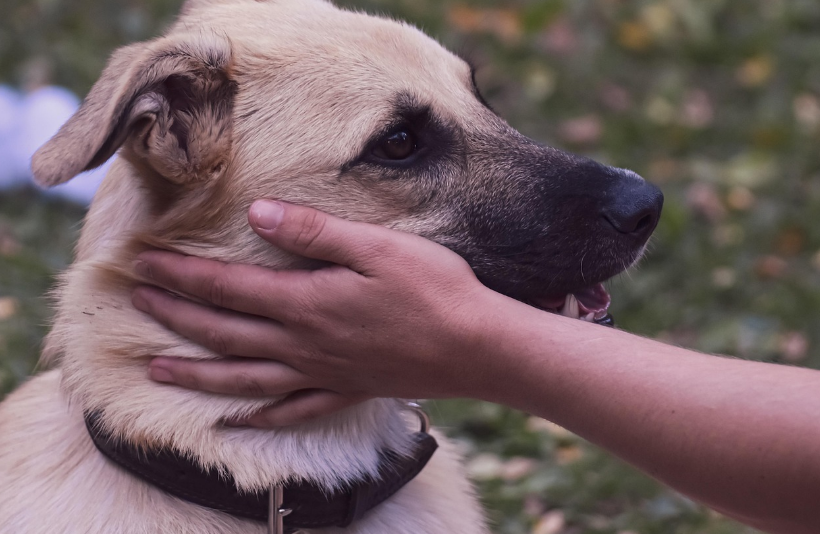
Handling tolerance is an important part of a dog’s temperament.
Dogs may need to be touched during grooming, nail trimming, medical checks, or visits to the veterinarian.
Gently touch areas like: The ears, Paws, Tail, Back, Collar area.
Pay attention to your dog’s response. A relaxed dog may allow the touch without problems. A sensitive dog may move away but remain calm.
A dog that growls, snaps, or becomes extremely uncomfortable may need gradual training to become more comfortable with handling.
Never force the interaction. The purpose is observation, not making your dog uncomfortable.
4. Observe Your Dog’s Reaction to Sounds
Dogs hear sounds much more clearly than humans. Their reaction to unfamiliar sounds can reveal a lot about their temperament.
You can observe your dog during normal household activities such as a door closing, a phone ringing, or an object accidentally falling.
Notice what happens afterward. Does your dog investigate? Does it become nervous? Does it recover quickly?
A balanced dog may react briefly but return to normal soon.
A dog that remains stressed for a long period may need more confidence-building exercises.
Avoid creating loud noises intentionally just to test your dog. A good temperament test should not involve unnecessary fear.
5. Observe Social Behaviour Around Other Dogs
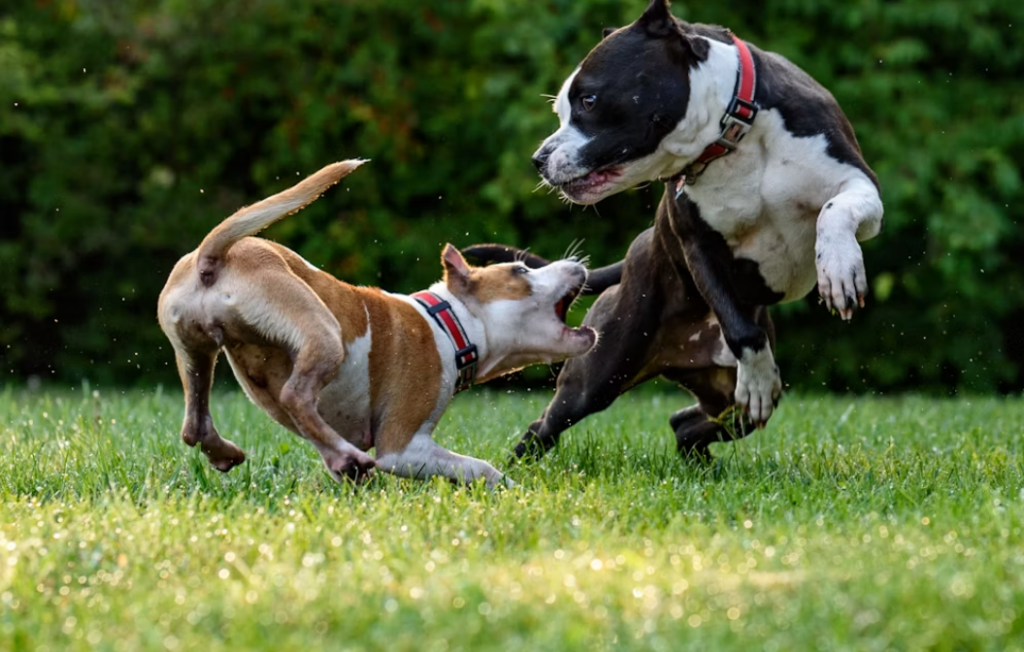
If your dog regularly meets other dogs, its behaviour around them can provide useful information.
During a controlled introduction, observe body language.
A friendly dog may show interest, relaxed movement, and willingness to interact.
Some dogs may prefer keeping distance, which is also normal.
Problems usually appear when a dog consistently shows extreme fear, uncontrolled excitement, or aggressive behaviour.
Always introduce dogs carefully because not every dog enjoys socialising with every other dog.
6. Test Toy and Food Behaviour
A dog’s reaction to food and toys can reveal important personality traits.
Offer your dog a favourite toy and observe how it behaves. Does it happily play? Does it lose interest quickly? Does it become overly protective?
You can also observe feeding behaviour. Some dogs eat calmly, while others become tense when someone approaches their food.
Food guarding can become a serious issue if ignored, especially in homes with children or multiple pets.
If you notice this behaviour, avoid provoking the dog and consider getting advice from a qualified trainer.
How to Understand Your Dog Temperament Test Results
After performing these observations, look at the overall pattern instead of focusing on one reaction.
A single nervous moment does not define your dog’s entire personality.
A Confident Dog
A confident dog usually:
- Explores new places
- Recovers quickly after surprises
- Accepts new people gradually
- Learns well during training
These dogs often adapt easily to different environments.
A Shy or Sensitive Dog
A shy dog may:
- Need more time around strangers
- Avoid unfamiliar situations
- Become nervous with sudden changes
These dogs often do well with patient training and positive experiences.
A Highly Energetic Dog
Energetic dogs are not necessarily difficult.
They simply need enough physical activity and mental stimulation.
Without proper outlets, they may develop unwanted behaviours like excessive chewing or restlessness.
A Fearful or Reactive Dog
Dogs that show strong fear responses or aggressive reactions need careful attention. Their behaviour may come from genetics, poor socialisation, past experiences, pain, or stress. Understanding the cause is the first step toward improvement.
Is Puppy Temperament Test Different From Adult Dogs?
A puppy temperament test can give clues about personality, but puppies are still developing.
A confident puppy today may become more cautious as it grows. A shy puppy can also improve greatly with proper socialisation.
When testing puppies, pay attention to:
- Curiosity
- Response to new experiences
- Interaction with people
- Comfort with gentle handling
Early experiences have a major impact on future behaviour. This is why proper puppy care, training, and socialisation are so important.
Can a Dog’s Temperament Change?
Yes, a dog’s behaviour can change over time.
Genetics influence temperament, but experiences also matter.
Training, socialisation, environment, health, and daily interactions all affect behaviour.
A dog that was nervous as a puppy may become more confident with patience and positive experiences.
Also, sudden changes in behaviour should not always be blamed on temperament. Sometimes health problems, pain, or discomfort can affect how a dog behaves.
Conclusion
A dog temperament test is not about finding a perfect dog.
Every dog has unique qualities. Some dogs are naturally playful. Some are calm. Some love meeting people, while others prefer watching quietly first. The most important thing is understanding your dog’s personality so you can provide the right care, training, and environment.
Once you understand why your dog behaves the way it does, building a stronger relationship becomes much easier. A good owner does not only train a dog. A good owner learns to understand the dog.