If there is one dog that has taught me that intelligence can be both a blessing and a challenge, it is the Australian Cattle Dog.
The first time I spent enough time with one, I quickly understood why many people admire this breed so much. The dog was alert from morning till evening, always watching everything happening around the compound. It seemed to know what everyone was about to do before they even moved. At the same time, I also noticed that this was not the kind of dog that would happily sleep all day while the owner went to work.
That experience changed how I looked at the breed.
Many people search for Australian Cattle Dog temperament because they want to know one simple thing: Is this the right dog for my family and lifestyle?
The answer depends more on you than the dog.
This breed can become one of the most loyal companions you will ever own. It can also become difficult to manage if its needs are ignored. Knowing what to expect before bringing one home may be very important.
What Is the Australian Cattle Dog Like?
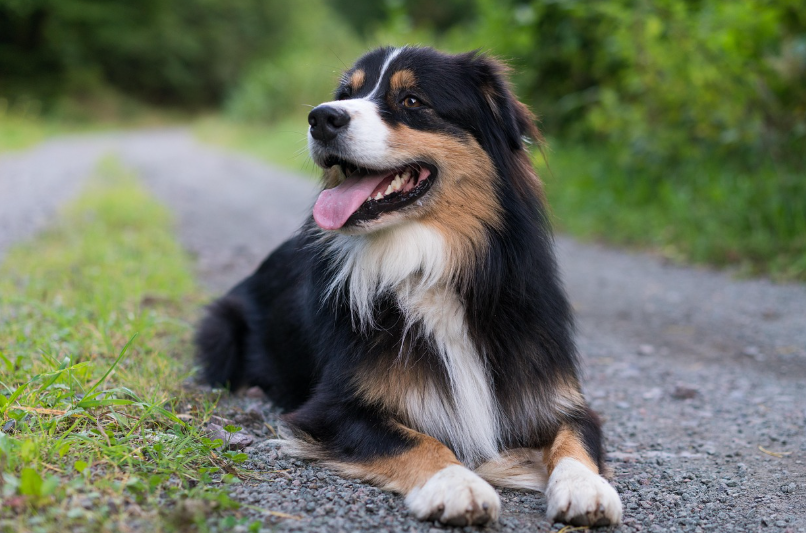
The Australian Cattle Dog, often called the Blue Heeler or Red Heeler, was originally bred to move cattle across large areas of rough land in Australia.
That history explains almost everything about its personality.
A dog that spends long hours controlling stubborn cattle has to be brave, intelligent, energetic, and able to think independently. Those qualities remain part of the breed today.
Unlike dogs that were bred mainly for companionship, the Australian Cattle Dog still behaves like a working dog, even inside a family home.
That is why many owners describe the breed as extremely loyal but equally demanding.
Australian Cattle Dog Temperament
No two dogs behave exactly the same, but most Australian Cattle Dogs share several personality traits that have remained consistent for generations. Let’s look at the kind of temperament they have.
1. Extremely Loyal to Their Family
This is probably the quality owners appreciate the most.
An Australian Cattle Dog usually forms a very strong bond with the people it lives with. Once that bond develops, the dog naturally wants to stay close, protect its family, and take part in daily activities.
From my own experience handling active dogs, I have noticed that breeds with strong loyalty rarely enjoy being ignored for long periods. The Australian Cattle Dog falls into that category.
It wants to feel useful. That loyalty also means the breed often prefers one person in the house, although it can still love every family member.
2. Highly Intelligent
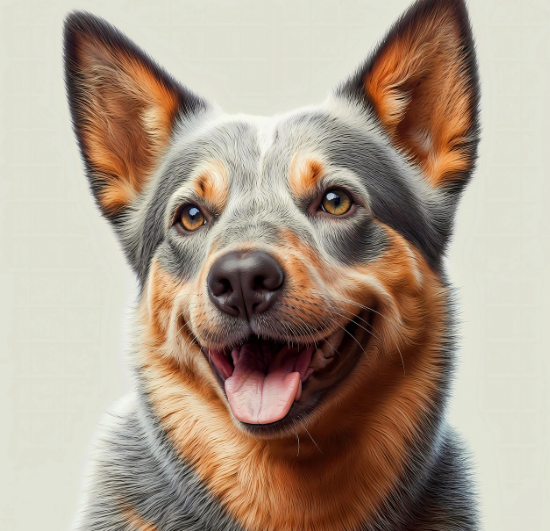
Many experienced dog owners rank this breed among the smartest dogs in the world.
The intelligence shows in many ways. The dog learns routines quickly. It remembers commands easily. It notices small changes around the house.
Sometimes, it even figures out how to open gates, cupboards, or doors if given enough opportunities.
Training usually becomes easier because the dog understands new commands fast. The challenge is keeping training interesting enough so the dog does not become bored.
Mental exercise is just as important as physical exercise. Puzzle toys, obedience practice, scent games, and learning new tricks help keep the mind active.
3. Full of Energy
Anyone expecting a calm dog that enjoys relaxing throughout the day may struggle with this Australian Cattle Dog.
Australian Cattle Dogs have impressive stamina. Even after a long walk, many still have enough energy for another game of fetch.
This energy comes from generations of working alongside farmers.
A short walk around the block is rarely enough. Daily exercise should include activities that allow the dog to run, think, and solve problems. Long walks, hiking, agility games, frisbee, and obedience sessions all help. A tired Australian Cattle Dog is usually a happier dog.
4. Protective Without Being Naturally Aggressive
Many first-time owners confuse protectiveness with aggression. They are not the same.
Australian Cattle Dogs naturally pay close attention to strangers entering their territory. Most will bark to alert the family.
Once introduced properly, many settle down quickly. Good socialization from puppyhood plays a major role here.
Dogs that regularly meet different people, children, visitors, and other animals often grow into confident adults instead of fearful ones.
5. Independent Thinkers
One thing I have learned from working breeds is that they do not always wait for instructions.
Australian Cattle Dogs often make decisions on their own. Sometimes this independence is helpful. Sometimes it becomes frustrating.
If they notice the gate is open, they may decide to investigate. If they think another pet needs “herding,” they may attempt to control it without permission.
Owners should remain patient while training because this breed likes understanding why something should be done instead of simply obeying automatically.
Do Australian Cattle Dogs Get Along With Children?
The answer depends on both the dog and the children. A properly trained Australian Cattle Dog can become an excellent family companion.
However, because of its herding instinct, it may try to herd running children by gently nipping at their heels.
This behaviour is natural for the breed. It is not done out of anger. Still, it should never be encouraged.
Young children should always be supervised around any dog, regardless of breed. Early training helps the dog learn appropriate behaviour inside the home.
Are Australian Cattle Dogs Good With Other Dogs?
Early socialization has a great influence here. Dogs introduced to other dogs from puppyhood generally become more comfortable around them.
Without socialization, some Australian Cattle Dogs may become territorial or dominant, especially toward unfamiliar dogs of the same sex.
Regular walks, puppy classes, and controlled play sessions often help build confidence.
Can They Live With Cats?
Yes, but introductions should happen gradually. Some Australian Cattle Dogs live peacefully with household cats, especially if both grow up together.
The challenge comes from the breed’s strong instinct to chase moving animals. A cat running across the compound may trigger that instinct. Patient introductions and supervision help reduce problems.
Why Do Australian Cattle Dogs Nip?
Many owners become worried when puppies begin nipping. In most cases, this behaviour comes from the breed’s natural herding instinct. Remember, these dogs were developed to move cattle by nipping at their heels. The instinct has not disappeared. Training should begin early. Redirect the puppy toward chew toys instead of allowing it to bite hands, feet, or clothing.
Consistency is important. Never encourage playful biting, then expect the dog to suddenly stop later.
Is This Breed Easy to Train?
Compared with many breeds, yes. Compared with easy-going companion dogs, not always.
The intelligence that makes training easier also creates new challenges. Australian Cattle Dogs become bored with repetition.
From personal experience, short training sessions often produce better results than one long session.
Five or ten minutes of focused learning several times a day usually works well. Positive reinforcement also keeps the dog motivated. Praise, treats, toys, and games often achieve better results than harsh corrections.
Common Behaviour Problems
Most behavioural issues develop because the dog’s needs are not being met.
The most common include:
1. Excessive Barking
A bored Australian Cattle Dog often finds reasons to bark. Enough exercise usually reduces this behaviour.
2. Destructive Chewing
Young dogs especially enjoy chewing when left without activities. Providing safe chew toys helps protect furniture and shoes.
3. Digging
Many owners complain about holes appearing across the compound. Again, boredom is usually the main cause.
4. Chasing Moving Objects
Cars, bicycles, joggers, and motorcycles can all trigger the dog’s instinct to chase. Reliable recall training and secure fencing become very important.
Who Should Own an Australian Cattle Dog?
This breed fits certain lifestyles better than others.
It may suit you if:
- You enjoy outdoor activities.
- You have time for daily exercise.
- You like teaching dogs new skills.
- You want a loyal companion that enjoys spending time with the family.
On the other hand, the breed may not be the best choice if your schedule keeps you away from home most of the day or if you prefer a quiet, low-energy dog.
Choosing the right breed matters just as much as choosing the right food. That is one reason many owners spend time comparing personalities before bringing home a puppy. If you have already read our guide on dog temperament, many of the same principles apply here, but the Australian Cattle Dog simply brings much higher energy and stronger working instincts.
How to Bring Out the Best Temperament
Good temperament does not happen by accident. Owners play a huge role.
Some habits that have worked well for me over the years include keeping a daily routine, making exercise part of everyday life, rewarding good behaviour immediately, exposing puppies to different environments early, and avoiding harsh punishment.
Dogs learn faster when they feel confident instead of afraid. Consistency matters more than perfection.
Frequently Asked Questions
Are Australian Cattle Dogs aggressive?
Not naturally.
Most become protective of their family, but proper training and early socialization usually produce confident, well-mannered adults.
Do Australian Cattle Dogs bark a lot?
They can bark more than average if they become bored or notice unfamiliar activity around the home. Regular exercise often reduces unnecessary barking.
Are they suitable for first-time dog owners?
Some first-time owners succeed with this breed, but only after understanding the commitment involved.
Without enough exercise and training, the dog’s intelligence and energy can become difficult to manage.
How much exercise does an Australian Cattle Dog need?
Most healthy adults benefit from at least one to two hours of physical activity every day, along with mental stimulation.
Are Australian Cattle Dogs affectionate?
Very much so.
Although they may not constantly demand cuddles, they usually enjoy staying close to the people they trust.
Conclusion
The Australian Cattle Dog is not simply an energetic dog. It is a hardworking breed that enjoys having a purpose.
For owners who appreciate intelligence, loyalty, and an active lifestyle, few breeds offer the same level of companionship.
At the same time, this breed asks for commitment. Daily exercise, mental stimulation, patient training, and early socialization all contribute to a balanced temperament.
From everything I have seen over the years, Australian Cattle Dogs reward dedicated owners with unwavering loyalty and remarkable intelligence. Put in the effort from the beginning, and the dog will often become more than just a pet. It becomes a dependable companion that happily joins almost every part of daily life.