The Caucasian Shepherd Dog temperament is one of the biggest reasons people admire this breed, and one of the biggest reasons many people later discover it was not the right choice for them.
A photo of a Caucasian Shepherd standing beside its owner can make the dog look calm, fluffy and almost like an oversized teddy bear. Reality is very different. Behind that thick coat is a fearless livestock guardian that has spent centuries protecting animals from wolves, bears and strangers.
After spending years around different dog breeds, one thing has become very clear to me: no dog should be judged by appearance alone. The Caucasian Shepherd is one of those breeds that demands respect, patience and proper training from day one.
If the plan is to bring one home, understanding its personality first can save you a lot of stress later.
What Is the Caucasian Shepherd Dog?
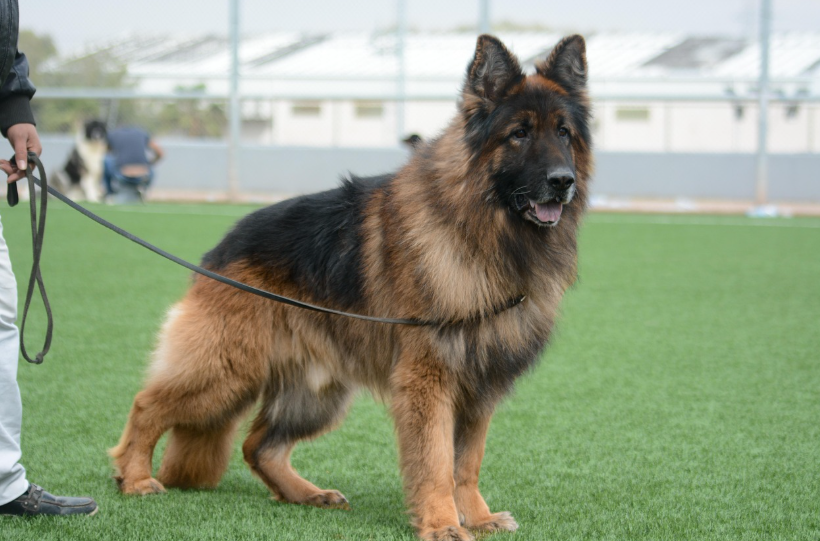
The Caucasian Shepherd Dog, also called the Caucasian Ovcharka, originated in the Caucasus Mountains between Europe and Asia. For hundreds of years, farmers depended on these dogs to guard sheep, homes and livestock against dangerous predators.
Unlike many modern companion dogs, this breed was never developed mainly to entertain people. Its job was to think independently and protect whatever belonged to its family.
That working history explains almost every behaviour people notice today.
Caucasian Shepherd Dog Temperament
If someone asked me to describe this breed in just a few words, I would say they are:
- Extremely loyal
- Naturally protective
- Intelligent
- Independent
- Confident
- Calm when relaxed
- Suspicious of strangers
Those traits can be wonderful in the right home but overwhelming in the wrong one.
The biggest mistake first-time dog owners make is expecting a giant friendly family pet that loves everybody. That is simply not how this breed was designed.
1. Fiercely Loyal to Family
One thing that impressed me the first time I met a well-trained Caucasian Shepherd was how closely it watched its owner.
The dog was not jumping around asking everybody for attention. Instead, it quietly stayed close to its family, observing everything happening around it. This breed forms very strong bonds with the people it trusts.
Once that relationship develops, many owners describe the dog as deeply affectionate at home. Some enjoy gentle petting, while others simply prefer lying nearby and keeping watch over everyone. Their loyalty runs incredibly deep.
2. Protective Nature
Protection is where the Caucasian Shepherd truly stands out. Nobody teaches these dogs to become protective. It already exists in their instincts.
If a stranger approaches the house, most Caucasian Shepherds become alert immediately. They pay close attention to unusual sounds, unfamiliar visitors and unexpected movement around their territory.
That does not automatically mean aggression. A properly socialised dog learns the difference between genuine danger and normal daily life.
Without proper training, however, those protective instincts can become difficult to control. But early socialisation has been proven to play a major role in helping guardian breeds develop appropriate behaviour around unfamiliar people and situations.
3. Calm Until There Is a Reason Not to Be
One misconception online is that Caucasian Shepherds are constantly aggressive. That has not matched what I have personally observed.
Most well-raised dogs spend large parts of the day looking surprisingly relaxed. They often lie quietly while watching everything happening around them.
The calmness disappears only when they believe something threatens their family or property.
That switch from relaxed to highly alert can happen very quickly. Because of that, owners must always stay in control during walks and when visitors arrive.
3. Independent Thinkers
Many popular breeds enjoy following every command immediately.
The Caucasian Shepherd is different. These dogs think before acting. Sometimes they even decide whether your command makes sense to them.
That independent personality came from centuries of guarding livestock without constant human supervision.
During training, patience matters far more than force. Harsh punishment usually damages trust instead of improving obedience. Positive reinforcement, consistency and clear boundaries produce much better results.
4. Intelligence Without Being Eager to Please
People often confuse intelligence with obedience.
The Caucasian Shepherd is highly intelligent. The challenge is that intelligence does not always come with a strong desire to please its owner.
A Border Collie often works because it enjoys following instructions.
A Caucasian Shepherd works because it believes the task deserves attention. That difference explains why training sessions require persistence.
Short, enjoyable sessions usually achieve better results than long repetitive drills.
How Does the Caucasian Shepherd Behave Around Children?
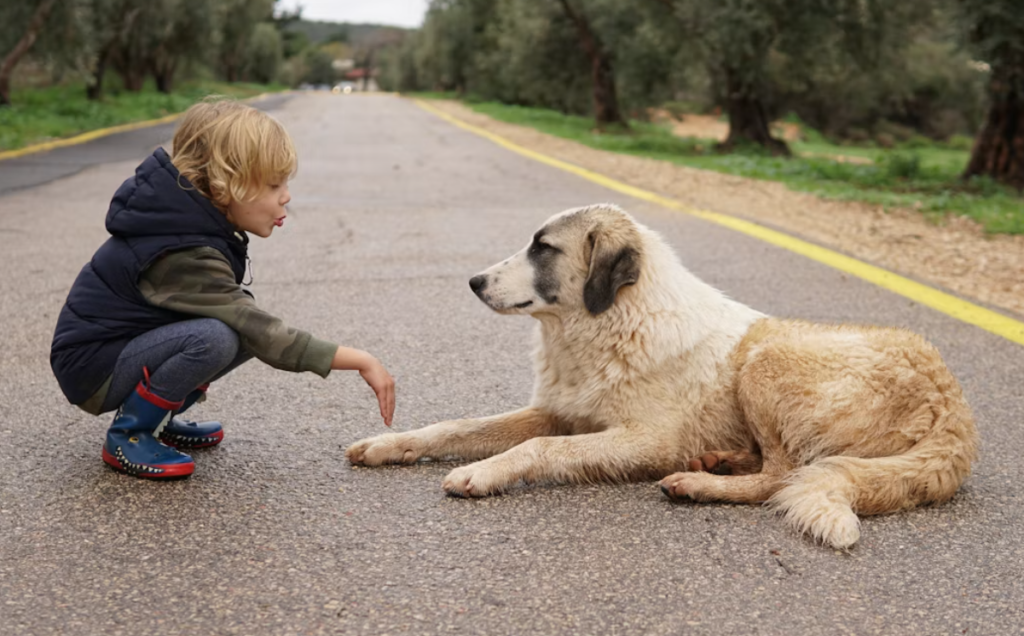
Many families ask whether this breed is good with children.
The answer depends more on training and supervision than the breed alone.
When raised with respectful children, many Caucasian Shepherds become patient family guardians. They often watch children closely and may even place themselves between the child and unfamiliar visitors.
Still, this is an enormous dog. Its size alone can accidentally knock over a small child during play. Children should also learn not to disturb the dog while eating or sleeping. No matter how trustworthy a dog appears, adult supervision remains essential.
Does the Breed Get Along With Other Dogs?
The answer varies.
Dogs raised with other pets from puppyhood often adjust much better than those introduced later.
Many Caucasian Shepherds prefer being the dominant dog. Because of their guardian instincts, they may not tolerate unfamiliar dogs entering what they consider their territory.
Early socialisation makes can help for this situation. Regular exposure to friendly dogs, controlled environments and positive experiences can improve behaviour significantly.
Caucasian Shepherd & Strangers
One behaviour surprises many new owners. Visitors may arrive several times before the dog accepts them.
That cautious attitude is completely normal for the breed. Rather than rushing over with a wagging tail, many Caucasian Shepherds simply observe from a distance until they feel comfortable.
Owners should never force interaction. owing the dog to relax naturally often produces better long-term behaviour.
Exercise Needs
Despite their size, Caucasian Shepherds are not extremely energetic.
Long-distance running is not what they were bred for.
Daily walks, secure outdoor space and mental stimulation are usually enough.
What they enjoy most is having a purpose.
Simple activities like obedience practice, scent games and guarding a secure property often satisfy them more than endless running.
Mental exercise is just as important as physical activity.
Is Early Socialisation Important?
If there is one piece of advice I would never ignore with this breed, it is socialisation.
A puppy should safely experience:
- Different people
- Different sounds
- Different environments
- Friendly dogs
- Vehicle rides
- Veterinary visits
Each positive experience teaches the puppy that not everything unfamiliar is dangerous.
Skipping this stage often creates unnecessary fear later in life.
Caucasian Shepherd Dog Temperament Problems
Every breed has weaknesses. For the Caucasian Shepherd, common behavioural challenges include:
1. Excessive Protectiveness
Some dogs begin treating every visitor as a threat. Consistent training helps prevent this behaviour from becoming a serious problem.
2. Stubbornness
Owners expecting instant obedience usually become frustrated. Patience is all that is needed here.
3. Territorial Behaviour
A Caucasian Shepherd naturally believes certain places belong to its family. Secure fencing and proper introductions to visitors are extremely important.
4. Poor Socialisation
This causes more behaviour problems than almost anything else.
Most negative stories people share about the breed involve dogs that received little exposure to people and everyday situations while growing up.
Is This Breed Easy to Train?
Honestly, no.
That does not mean training is impossible.
It simply means beginners usually underestimate the work involved.
Training starts the day the puppy comes home. Simple routines, clear rules and daily consistency produce better results than occasional long sessions.
Owners looking for an easy first dog may enjoy breeds discussed in our guide on the best dog breeds for first-time dog owners much more than the Caucasian Shepherd.
Effect of Grooming on Caucasian Shepherd Dog Temperament
People often overlook this. Regular grooming creates opportunities for handling exercises.
Brushing the thick coat while calmly touching paws, ears and tail teaches the dog to accept routine care without becoming stressed. That cooperation becomes valuable during veterinary visits later.
Can This Breed Live in an Apartment?
Personally, I would not recommend it.
The issue is not only size. Guardian breeds naturally monitor everything happening around them. Small living spaces with constant hallway traffic can make the dog feel responsible for every passing sound. A securely fenced home with enough outdoor space suits this breed much better.
Who Should Own a Caucasian Shepherd?
This breed fits people who:
- Have experience handling large guardian dogs.
- Have enough space for a giant breed.
- Can commit to lifelong training.
- Understand responsible ownership.
- Want a loyal family protector instead of an overly social pet.
It may not suit someone looking for a dog that happily greets every visitor or mixes easily with every dog at the park.
Health and Temperament
A dog in pain rarely behaves normally.
Large breeds can develop conditions such as hip or elbow problems, which sometimes affect mood and behaviour.
Routine veterinary check-ups, quality nutrition and maintaining a healthy weight all contribute to a happier, more balanced dog.
Frequently Asked Questions
Is the Caucasian Shepherd naturally aggressive?
No.
The breed is naturally protective rather than automatically aggressive. Good breeding, proper socialisation and consistent training have a huge influence on adult behaviour.
Is the Caucasian Shepherd a good family dog?
It can be an excellent family guardian for experienced owners who understand large protective breeds.
Does the breed bark a lot?
Many Caucasian Shepherds bark when they detect something unusual around their territory. Constant unnecessary barking usually points to boredom, poor training or inadequate mental stimulation.
Can first-time owners handle this breed?
Generally, no.
There are easier breeds for beginners. The Caucasian Shepherd needs confident handling, early socialisation and consistent leadership.
How long does it take for the breed to mature?
Many Caucasian Shepherds continue developing mentally and physically until around two to three years of age.
Conclusion
The Caucasian Shepherd dog temperament reflects hundreds of years of selective breeding for one purpose, which is “guarding family and property”.
That history created a dog that is courageous, observant, calm under normal circumstances and fiercely loyal to those it trusts.
Life with this breed can be incredibly rewarding, but only when owners understand exactly what they are bringing home. Proper training, early socialisation, patience and responsible ownership shape those natural instincts into a dependable companion.
For experienced dog lovers, the Caucasian Shepherd offers remarkable loyalty and confidence. For someone expecting an easy-going pet that welcomes everyone with a wagging tail, another breed will almost certainly be a better fit.