The Dogo Argentino is one of those dog breeds that quickly gets people’s attention. It has a powerful body, an alert face, and a confident way of carrying itself.
After spending years around different dogs, one thing I have learned is that appearance does not always tell the full story. Some large breeds are surprisingly gentle, while some smaller dogs can be far more difficult to manage. The Dogo Argentino falls somewhere in the middle. It is loving with the right family, but it is also a breed that needs responsible handling from the very beginning.
If the goal is to find a calm family companion, a reliable guard dog, or an active outdoor partner, understanding the personality of this breed matters much more than admiring its muscular build.
What Is a Dogo Argentino?
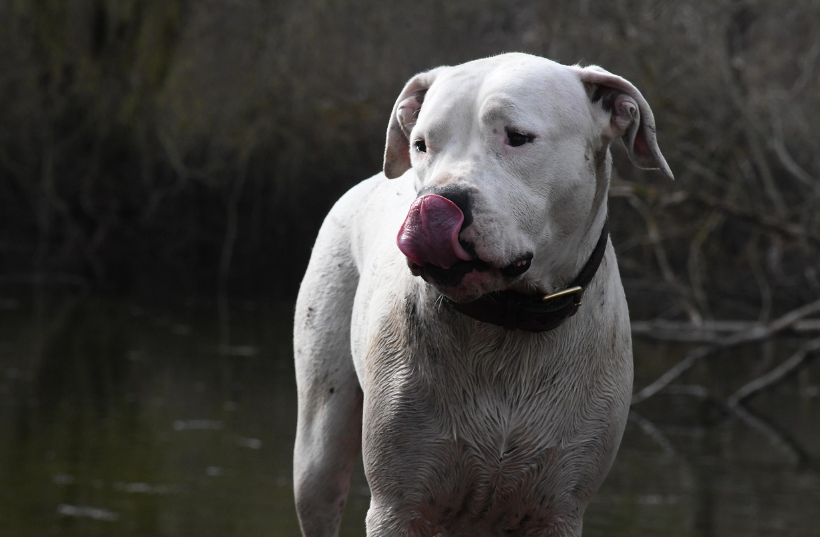
The Dogo Argentino is a large working dog originally developed in Argentina by Dr. Antonio Nores Martínez. The breed was created by carefully combining several breeds to produce a dog that was athletic, intelligent, loyal, and capable of working alongside people.
American Kennel Club describes the Dogo Argentino as a confident, courageous, and affectionate breed that forms strong bonds with its family. It is also recognized by Fédération Cynologique Internationale as a working dog with excellent physical ability.
Despite its serious appearance, many owners describe the Dogo Argentino as surprisingly affectionate once it feels comfortable at home.
Dogo Argentino Temperament
If someone asked me to describe this breed in just a few words, I would say:
- Loyal
- Intelligent
- Protective
- Energetic
- Confident
- Affectionate with family
Those qualities make the breed appealing, but they also explain why it is not suitable for everyone.
Unlike easy-going companion breeds, the Dogo Argentino expects leadership, exercise, and consistent training every day.
1. Dogo Argentino is Loyal & Loves Its Family
One of the strongest traits of the Dogo Argentino temperament is loyalty. Once this dog accepts someone as family, it becomes deeply attached. Many owners notice that their Dogo likes staying close to family members instead of wandering around alone.
From what I have observed with dogs that have similar personalities, loyalty often shows in simple ways. The dog follows its owner from room to room, watches visitors carefully, and always seems interested in knowing where everyone is.
That does not mean the dog becomes clingy. Instead, it naturally wants to stay connected with the people it trusts. This close bond is one reason many families enjoy living with the breed.
2. Is the Dogo Argentino Aggressive?
This is probably the most searched question about the breed. The simple answer is not by nature. A well-bred, properly socialized Dogo Argentino should not show unnecessary aggression toward people. Confidence is very different from aggression.
Problems usually appear when a dog has poor breeding, little socialization, inconsistent training, or owners who encourage protective behavior in the wrong way.
Early socialization makes a huge difference. Introducing a puppy to different people, environments, sounds, and experiences helps build confidence instead of fear. A fearful dog is often much more unpredictable than a confident one.
3. Protective Without Being Nervous
The Dogo Argentino naturally wants to protect its home. One thing I appreciate about confident dogs is that they do not usually react to every little sound. Instead of barking nonstop, they often stop, observe, and decide if something is actually wrong. That is one quality many owners like.
When visitors arrive, the dog may stay watchful until it sees that everything is fine. Once it realizes there is no danger, it often settles down.
Training still matters because even a naturally balanced dog needs clear boundaries.
4. High Energy & Plenty of Exercise

The Dogo Argentino is not the type of dog that stays happy after a short five-minute walk. This breed has a working background, so daily physical activity is essential.
A bored Dogo can become destructive simply because it has too much unused energy. Regular exercise can include:
- Long walks
- Hiking
- Running with its owner
- Interactive games
- Obedience training
- Puzzle toys
Mental exercise is just as important as physical activity. Teaching new commands and giving the dog simple tasks helps prevent boredom.
5. Very Intelligent but Sometimes Stubborn
Another interesting part of the Dogo Argentino personality is intelligence. This breed learns quickly. The challenge is that it also likes thinking for itself. That means training should stay consistent from puppyhood.
From my own experience handling intelligent dogs, repeating commands without patience rarely works. Calm leadership usually gets much better results.
Short training sessions mixed with praise and rewards often keep the dog’s attention much longer than harsh corrections.
6. Is the Dogo Argentino Good With Children?
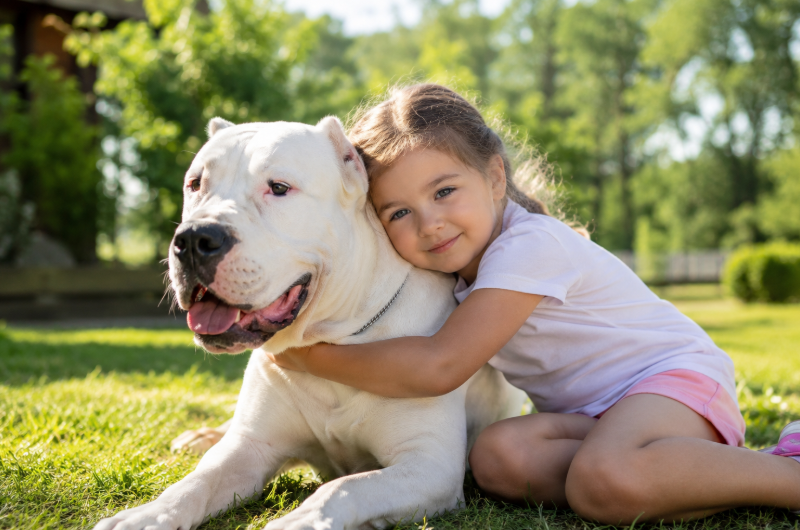
Many people looking for a family dog ask this question. The answer depends more on training and supervision than on the breed itself.
A well-socialized Dogo Argentino can be gentle, patient, and affectionate with children in its own family. Still, because this is a large and powerful dog, playtime should always be supervised, especially with younger children.
Teaching children how to respectfully interact with dogs is equally important. No dog should be left alone with toddlers, regardless of breed.
7. Does the Dogo Argentino Get Along With Other Dogs?
This area needs honest discussion. The breed was originally developed for demanding work, and many Dogo Argentinos naturally have a strong prey drive.
Some live peacefully with other dogs after proper socialization. Others prefer being the only dog in the household.
If adding a Dogo Argentino to a home that already has pets, careful introductions and responsible management are very important. Early socialization gives the best chance for peaceful relationships.
8. Living With a Dogo Argentino Every Day
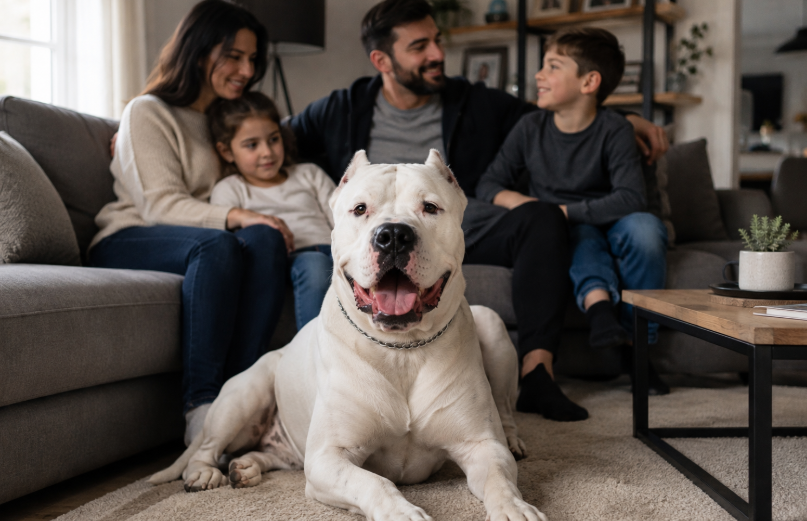
Living with this breed is usually very rewarding for active owners. One thing people often notice is how involved the dog becomes in family life. It enjoys joining daily activities instead of being left alone in the backyard. That means long periods of isolation are rarely a good idea.
Like many intelligent breeds, loneliness can lead to boredom and unwanted behavior. If the family enjoys morning walks, outdoor adventures, and regular interaction, the Dogo Argentino often fits that lifestyle very well.
9. Grooming Is Surprisingly Easy
The short white coat makes grooming much simpler than many people expect. Most weeks, a quick brushing removes loose hair and keeps the coat looking clean.
Regular care should also include:
- Nail trimming
- Ear checks
- Teeth brushing
- Occasional baths
Because of the white coat, checking the skin regularly for irritation or sun sensitivity is also a good habit.
10. Health Can Influence Temperament Too
A dog that feels uncomfortable may behave differently from one that feels healthy. The Dogo Argentino is generally healthy, but like many purebred dogs, it has a few inherited conditions owners should know about.
One of the better-known concerns is congenital deafness, particularly in dogs with predominantly white coats. Responsible breeders usually perform hearing tests on puppies.
The breed may also develop hip dysplasia or certain skin conditions. Learning about common health concerns before bringing home a puppy helps owners prepare for long-term care.
Reliable information about breed health is available from the American Kennel Club and the Orthopedic Foundation for Animals.
11. Is This Breed Easy for First-Time Owners?
Personally, I would not place the Dogo Argentino among the easiest breeds for first-time dog owners. That does not mean a first-time owner cannot succeed. It simply means the owner should be willing to invest time in:
- Puppy socialization
- Positive training
- Daily exercise
- Learning canine body language
- Consistent routines
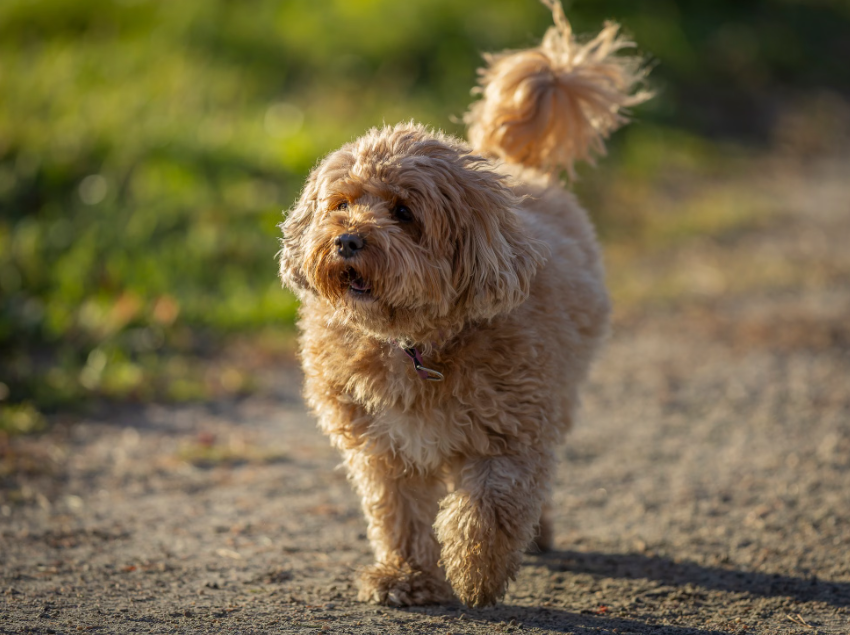
For people looking for an easier companion, smaller or more relaxed breeds may be a better fit. For example, if comparing personalities, breeds like the Cavalier King Charles Spaniel or even the Cavapoo generally demand less experience than the Dogo Argentino.
Common Myths About the Dogo Argentino Temperament
One myth is that every Dogo Argentino is naturally dangerous. That is simply not true.
Like most breeds, temperament depends on genetics, responsible breeding, early experiences, training, and the owner’s commitment.
Another myth is that the breed cannot be affectionate.
Many owners say the opposite. Once trust is built, the Dogo Argentino often enjoys relaxing close to its family after a busy day. Its protective nature does not cancel out its affectionate side.
Tips for Raising a Well-Behaved Dogo Argentino
Looking back at what usually makes dogs successful in family homes, a few habits stand out. Start training early while the puppy is still easy to manage.
ow the puppy to safely meet different people and experience new environments. Use rewards instead of punishment during training. Provide enough exercise every single day. Stay consistent with household rules. Most importantly, spend quality time together. Dogs that feel mentally engaged often become easier to live with.
Frequently Asked Questions
Is the Dogo Argentino friendly?
Yes. Most well-socialized Dogo Argentinos are friendly with their family and can be polite with strangers after proper introductions.
Can a Dogo Argentino live in an apartment?
It can, but only if the owner provides enough daily exercise and mental stimulation. A larger home with outdoor space is generally more suitable.
Does the Dogo Argentino bark a lot?
Not usually. Many owners find the breed quieter than expected. It often watches situations carefully instead of barking constantly.
Is the Dogo Argentino easy to train?
The breed is intelligent and learns quickly, but it also has an independent streak. Consistent, reward-based training works best.
How much exercise does a Dogo Argentino need?
Most adult dogs benefit from at least one to two hours of physical activity each day, along with mental enrichment.
Conclusion
The Dogo Argentino temperament is best described as loyal, confident, intelligent, and deeply devoted to its family. It is not a breed that thrives with little attention or minimal exercise. Instead, it flourishes with owners who provide structure, training, and plenty of daily interaction.
For active families prepared to meet those needs, the Dogo Argentino can become an incredibly rewarding companion. Its protective nature, affectionate personality, and strong loyalty are qualities many owners value for years.
Before making a decision, spend time learning about the breed, talk with experienced owners, and choose a responsible breeder or reputable rescue organization. The more prepared the owner is from the beginning, the better the experience will be for both the family and the dog.