If there is one thing that made me understand that not every small dog behaves the same way, it was spending time around Cavalier King Charles Spaniels. Before then, I used to assume most toy breeds were noisy, stubborn, or difficult to manage. That opinion changed very quickly.
The Cavalier dog temperament is one of the biggest reasons this breed has become popular across many homes. People searching for a family companion, an apartment dog, or a calm pet usually come across this breed for good reason.
For years now, I have handled different dogs with completely different personalities. Some were very independent. Some wanted to guard everything around them. Cavaliers are different. They simply enjoy being close to people. That desire to stay around their family shapes almost everything about their behaviour.
If you plan to bring one home, it is very helpful to understand their temperament first, that would make it easier for you. A beautiful dog alone is not enough. The personality has to fit your lifestyle.
The Cavalier King Charles Spaniel Breed

Before we talk about the temperaments, let’s first have a brief overview of what the breed is like.
The Cavalier King Charles Spaniel is a small toy breed that was originally developed to be a companion dog. At first glance, many people notice its long silky coat, large round eyes, and gentle expression. It is the kind of dog that easily attracts attention because of its elegant appearance, but there is much more to the breed than its looks.
Despite its royal name, the Cavalier is not a dog that acts proud or distant. From what I have seen over the years, it is one of the friendliest small breeds to have around. It enjoys spending time with people, loves affection, and usually fits into family life without much difficulty.
Its compact size also makes it a good choice for people living in apartments or smaller homes, provided it gets enough exercise and daily attention. For many dog owners, the biggest attraction is not just how beautiful the breed looks but how warm and loving its personality is.
That brings us to one of the most important questions anyone planning to own this breed should ask. What is the Cavalier dog temperament really like?
What Is the Cavalier Dog Temperament Like?
The Cavalier King Charles Spaniel is known for being affectionate, gentle, friendly, and eager to please. Unlike breeds that enjoy spending hours alone outdoors, Cavaliers usually prefer following their owner from one room to another.
From my own experience around companion dogs, this kind of personality can be both enjoyable and demanding. It feels nice having a dog that always wants to stay close, but it also means the dog does not enjoy being left alone for long periods.
I have received many questions like:
- Cavalier King Charles Spaniel personality
- Are Cavaliers friendly?
- Is Cavalier King Charles Spaniel a good family dog?
- Cavalier temperament with children
The answer to all those questions generally points in one direction. This breed naturally enjoys human company.
The American Kennel Club also describes the breed as affectionate, graceful and gentle, qualities that have made it one of the world’s favourite companion dogs.
1. It Loves Human Company
One thing I noticed about Cavaliers is how quickly they become attached to their owners.
Some dogs enjoy attention only when they feel like it. Cavaliers seem to enjoy attention almost all the time.
Once they trust someone, they become little shadows around the house. Cooking in the kitchen, watching television, working on a laptop, or relaxing outside often comes with one small dog sitting nearby.
Some people love this behaviour because it creates a very close bond.
Others may find it surprising if they expected a more independent pet.
Anyone who works from home may enjoy having a Cavalier around because they usually settle quietly beside their owner after getting enough exercise.
2. Are Cavalier Dogs Good Family Pets?
Yes. This is probably one of the strongest qualities of the breed.
Families with children often look for dogs that are patient instead of aggressive or overly protective. Cavaliers naturally fit into that category.
They enjoy playing with children but also know how to settle down when playtime is over.
Of course, children should still learn how to treat dogs with respect. Pulling ears, disturbing a sleeping dog, or rough handling can upset even the calmest breed.
When children and dogs learn to respect each other, Cavaliers often become wonderful family companions. This is one reason it seems to be one of the recommended breeds for many first-time owners.
3. Do Cavaliers Get Along With Other Dogs?
Generally, yes.
Unlike breeds that naturally challenge every unfamiliar dog, Cavaliers usually approach other dogs with curiosity instead of hostility.
During walks, many simply want to greet everyone they meet.
That friendly nature makes introductions easier, although proper socialisation still matters.
I have noticed that dogs exposed to different environments early in life usually become much more confident adults.
Dog parks, neighbourhood walks, visitors at home, and controlled meetings with other pets all help shape a balanced temperament.
4. How Cavaliers Behave Around Cats
This surprises many people.
A well-socialised Cavalier often lives peacefully with cats.
The breed was developed mainly as a companion rather than a hunting dog, so many Cavaliers have a relatively low prey drive compared to several sporting breeds.
Every dog is different, though.
Early introductions usually produce better results than suddenly placing an adult dog into a home with unfamiliar pets.
5. Are Cavalier Dogs Easy to Train?
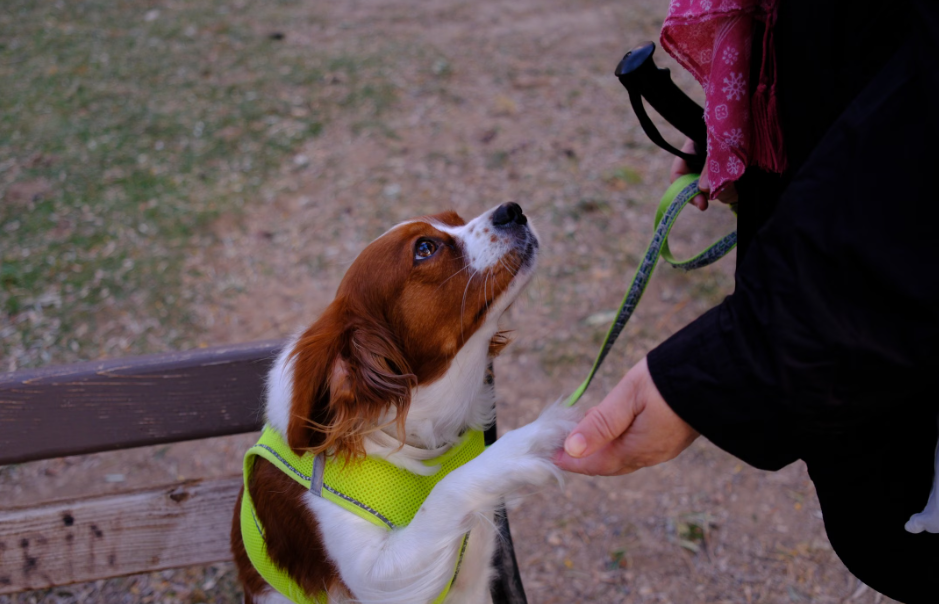
One reason beginners enjoy this breed is its willingness to learn.
Cavaliers normally respond well to praise, gentle correction, treats, and consistency.
Harsh punishment rarely produces good results with sensitive dogs.
From experience, positive reinforcement always builds confidence much faster.
Simple commands like sit, stay, come, and leave it usually become easier when training sessions remain short and enjoyable.
Many owners accidentally create stubborn behaviour by making training boring or repeating commands too often.
Keeping sessions fun often produces much better results.
The American Veterinary Medical Association also encourages reward-based training methods because they strengthen learning while reducing fear and stress.
6. Are Cavaliers Aggressive?
I do get this question frequently. But let’s address that now.
In most situations, Cavaliers are not naturally aggressive.
Instead, they tend to greet strangers with curiosity.
That does not mean every individual dog behaves perfectly.
Poor breeding, lack of socialisation, pain, illness, or fear can affect any dog’s behaviour regardless of breed.
If a normally friendly Cavalier suddenly becomes aggressive, a health problem should always be considered.
Dogs often communicate discomfort through changes in behaviour before showing obvious physical signs.
7. Do Cavaliers Bark a Lot?
Compared to many small breeds, Cavaliers are usually moderate barkers.
Mine rarely barked without a reason.
Visitors arriving at the gate, unusual sounds, or excitement during play sometimes triggered barking, but constant unnecessary barking was uncommon.
Proper exercise also makes a difference.
A bored dog often creates its own entertainment.
Daily walks, interactive toys, short training sessions, and family interaction help prevent many unwanted behaviours.
8. Separation Anxiety
If there is one personality trait that deserves attention, it is this.
Because Cavaliers become deeply attached to people, they may struggle when left alone for many hours every day.
Some signs include:
- Excessive barking
- Whining
- Chewing household items
- Restlessness
- Following the owner everywhere before departure
I have seen similar behaviour in other companion breeds.
Gradually teaching a dog to feel comfortable alone usually works much better than suddenly disappearing for an entire workday.
Puzzle toys, regular routines, and calm departures often help reduce anxiety.
9. Energy Level: Calm But Still Playful

Many people assume toy breeds never need exercise. That is not true. Cavaliers enjoy walks, games, and outdoor exploration. The difference is that they usually do not demand extreme physical activity.
One or two daily walks, combined with indoor play, often keep them satisfied. This balance makes them suitable for many lifestyles. Young adults enjoy their playful side. Older owners often appreciate their calmer nature indoors.
10. Is a Cavalier Good for Apartment Living?
Absolutely. One reason many city residents choose Cavaliers is their adaptability.
As long as they receive daily exercise and plenty of attention, they generally adjust well to apartment life.
Noise complaints are also less common than with several other small breeds because Cavaliers are not constant barkers.
Still, no dog should remain indoors all day without walks or mental stimulation.
Fresh air benefits both dogs and owners.
Common Behaviour Problems
No breed is perfect. Even gentle dogs develop unwanted habits without proper guidance. Some common issues include:
1. Clinginess
Many Cavaliers simply dislike being alone. Owners expecting a highly independent dog may struggle with this personality.
2. Jumping on Visitors
Excitement sometimes causes Cavaliers to jump while greeting people. Consistent training usually solves this early.
3. Overeating
This breed enjoys food. Without portion control, weight gain can become a problem. Keeping treats under control helps protect long-term health. If body weight starts increasing too quickly, feeding adjustments become necessary alongside regular exercise.
What Makes This Breed So Popular?
Several qualities combine to make Cavaliers one of the world’s favourite companion dogs.
They are:
- Friendly
- Gentle
- Intelligent
- Adaptable
- Good with families
- Suitable for first-time owners
- Easy to train
- Affectionate with children
- Comfortable around other pets
Few breeds balance all these qualities as naturally.
That is why the breed is always suggested to those looking for: best family dogs, small dog breeds, friendly companion dogs, and good apartment dogs.
Conclusion
The Cavalier dog temperament is exactly what many families hope to find in a companion dog. Gentle, loving, playful without becoming overwhelming, and eager to spend time with people, this breed fits comfortably into many homes.
Good training, early socialisation, quality nutrition, routine veterinary care, and daily interaction all help bring out the best in this breed.
A happy Cavalier is usually one that feels included in family activities instead of being left alone for long hours.
If you are looking for a calm, affectionate, and friendly companion, the Cavalier King Charles Spaniel may be a good fit for you. Spend time with one before making a decision. In many cases, a few hours together reveal exactly why so many owners fall in love with this charming little dog.