The Akita is a large, powerful dog with a strong personality. At first sight, many people are attracted to its beautiful thick coat, curled tail, broad head, and confident appearance. However, there is much more to this breed than its physical appearance.
The Akita dog temperament is one of the most important things to understand before bringing one home. Akitas are naturally loyal, protective, independent, and sometimes around strangers. They can form strong bonds with their families, but they are not always the type of dogs that welcome everybody into their space.
Some people describe Akitas as aggressive, while others consider them excellent family companions. The truth is that their behaviour depends on several things, including genetics, early socialisation, training, living conditions, and how their owners handle them.
An Akita can be a wonderful companion in the right home. However, its independent nature and strong guarding instincts mean that this is not a breed every dog owner will find easy to manage.
Before choosing an Akita, it is worth understanding its personality, how it behaves around children and other pets, and what living with one is really like.
Understanding the Akita Dog’s Personality
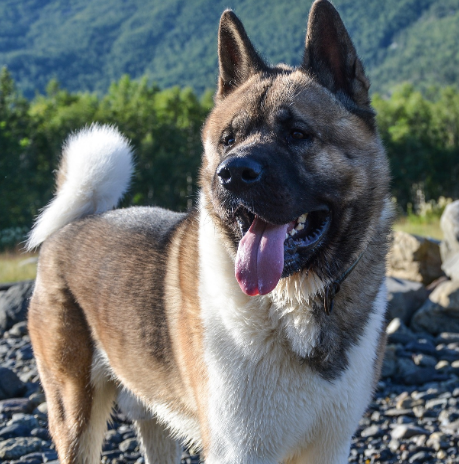
The Akita has a personality that combines confidence, loyalty, independence, and a strong protective instinct. It is not usually a dog that gets excited every time a visitor walks into the house. Instead, it tends to observe people first before deciding how comfortable it feels around them.
One thing that stands out about this breed is its attachment to family members. An Akita may not constantly demand attention or follow every instruction immediately, but it can develop a very close relationship with the people it lives with.
The breed is also known for being quiet. Unlike some dogs that bark at almost every movement around the house, Akitas are generally not excessive barkers. However, their quiet nature should not be mistaken for a lack of alertness. They are naturally watchful and can quickly become attentive when something unusual happens.
According to the Akita Club of America, the breed is naturally independent, intelligent, and protective. It also tends to be around strangers.
Here are some of the personality traits commonly associated with Akitas.
1. Akitas Are Extremely Loyal to Their Families
Loyalty is one of the strongest qualities of an Akita. Once it develops a bond with its owner, it can become deeply attached to that person and other members of the household.
This loyalty is not always expressed through constant excitement or physical affection. Some Akitas prefer staying close to their owners without necessarily demanding attention every minute.
For example, an Akita may quietly lie near the sitting room while the family watches television. It may also follow its owner from one part of the house to another without making a fuss.
This behaviour is part of what makes the breed appealing to people who want a devoted companion.
However, owners should not encourage excessive dependence. The dog should also learn to remain comfortable when family members are away for some time.
2. They Are Naturally Protective
The Akita is a naturally protective dog. Its history as a hunting and guarding breed has influenced how it responds to unfamiliar people and situations.
It usually pays attention to what happens around its home and may become suspicious when strangers approach.
This can be useful for someone who wants a dog that is naturally alert. However, there is a difference between having a protective dog and having a dog that reacts aggressively to every visitor.
An Akita needs proper socialisation to understand that visitors, neighbours, delivery workers, and other familiar faces are not necessarily threats.
It is not advisable to encourage aggressive behaviour or attempt to make the dog more dangerous through specialised protection training. Its natural guarding instinct is already strong enough.
3. Akitas Are Independent and Sometimes Stubborn
Another important part of the Akita dog temperament is independence.
Some dog breeds are eager to please their owners and will repeat an instruction several times just to receive praise. Akitas can be different.
An Akita may understand what you want but still take its time before responding. This can make obedience training challenging, especially for someone who has never owned a large, independent dog.
For instance, calling an Akita during playtime may not always produce an immediate response. The dog may look at you, understand the instruction, and still decide to finish what it is doing.
This does not mean the breed cannot be trained. It means owners need patience, consistency, and a good understanding of dog behaviour.
4. They Are Usually Reserved Around Strangers
Do not expect every Akita to welcome strangers with excitement.
The breed is generally more comfortable with people it knows. When unfamiliar people visit the home, an Akita may observe them quietly rather than approach them for attention.
Some may gradually become comfortable after a proper introduction, while others may prefer to keep their distance.
This is not necessarily a sign of aggression. A dog can be calm and without being dangerous.
Visitors should avoid forcing physical contact, hugging the dog, or reaching towards its face. owing the dog to approach at its own pace is a better way to build trust.
5. Akitas Can Be Quiet and Calm Indoors
Despite their large size and strong appearance, Akitas are not generally hyperactive dogs.
They enjoy exercise and outdoor activities, but many are also comfortable spending time indoors with their families.
An Akita that receives enough physical activity and mental stimulation may spend much of its free time resting around the house.
Another interesting characteristic is that the breed is not particularly known for unnecessary barking. It can be alert without making noise every few minutes.
However, individual personalities differ. Some Akitas are more energetic, vocal, or playful than others.
Are Akitas Aggressive Dogs?
This is one of the most common concerns people have when considering the breed.
The honest answer is that Akitas can display aggressive behaviour, particularly towards other dogs. However, it would be wrong to assume that every Akita is naturally aggressive towards people.
The breed has a strong guarding instinct and can be territorial. It may also become uncomfortable when unfamiliar dogs approach too closely.
Same-sex aggression is a particular concern. Some male Akitas may struggle to live peacefully with other male dogs, while some females may have similar difficulties with other females.
Their hunting background also means that some Akitas have a strong prey drive. Small animals, including cats, rabbits, rodents, and unfamiliar small dogs, may trigger their chasing instinct.
Training and socialisation can help manage these tendencies, but they do not automatically remove every inherited behaviour.
It is important to understand that socialising an Akita does not mean allowing it to play with every dog it meets. Sometimes, calmly ignoring other dogs while walking is a much better outcome.
The Akita Club of America’s breed information also explains the importance of understanding the breed’s natural behaviour before bringing one into a home.
An Akita that shows repeated threatening behaviour, biting, or serious aggression should be assessed by a qualified canine behaviour professional. Do not wait for the behaviour to become worse before seeking help.
Are Akitas Good Family Dogs?
Akitas can make good family dogs, but they are not suitable for every household.
They are loyal, devoted, and naturally protective of the people they know. Many owners appreciate having a dog that is closely attached to the family without constantly demanding attention.
However, the breed’s independent personality and low tolerance for certain situations can create challenges.
A family considering an Akita should be prepared to provide consistent training, supervision, exercise, and clear household rules.
It is also important to understand that an Akita should not be treated like a toy or a decorative pet. Its size and strength mean that poor handling can create serious problems.
Are Akitas Good With Children?
Akitas can live with children, particularly when they are introduced to respectful interactions from an early age.
Some develop strong relationships with the children in their household and become protective of them. However, this does not mean every Akita will tolerate the behaviour of young children.
Children sometimes pull dogs’ ears, disturb them while sleeping, touch their food, or attempt to climb on them. These actions can make even a normally calm dog uncomfortable.
An Akita may not have the patience to tolerate such behaviour.
Parents should teach children how to approach and handle dogs properly. Always supervise interactions, especially with toddlers and younger children.
Never leave a child alone with an Akita or any other large dog.
Are Akitas Good With Other Dogs?
This is where extra care is necessary.
Akitas are not among the most dog-friendly breeds. Some are comfortable around dogs they have known from puppyhood, but others become increasingly intolerant as they mature.
The problem is particularly noticeable with dogs of the same sex.
For someone who already owns a dog, introducing an Akita requires careful planning. It is better to seek advice from an experienced breeder or qualified trainer before bringing another dog into the household.
A male and female Akita may sometimes live together more peacefully than two dogs of the same sex, but this is not guaranteed.
Can Akitas Live With Cats?
Some Akitas can learn to live peacefully with cats, especially when they grow up together.
However, their hunting instincts should not be ignored. An Akita may chase a cat that runs away, even if the two animals have lived in the same house for months.
Introductions should be gradual, and both animals should have safe spaces where they can stay without being disturbed.
Never assume that an Akita will automatically accept every small animal simply because it has received obedience training.
Is an Akita a Good Dog for First-Time Owners?
Generally, an Akita is not the easiest choice for a first-time dog owner.
This does not mean a beginner cannot raise one successfully. However, the breed requires an owner who understands dog behaviour and is willing to invest time in training and socialisation.
Its large size, independent thinking, guarding instincts, and possible intolerance of other dogs can make everyday management challenging.
For someone who has never owned a dog before, a breed with a more easygoing and sociable personality may be a better starting point.
For example, the Cavalier King Charles Spaniel, and Havanese are generally more approachable choices for people looking for companion dogs. You can also read about the Great Pyrenees temperament if you are interested in another large breed with strong protective instincts.
However, someone who has experience handling large dogs, understands the importance of early training, and has enough time to care for an Akita may find it a rewarding companion.
How to Train an Akita Dog
Training is an important part of raising an Akita. Because the breed is naturally independent, owners should establish good habits while the dog is still young.
The aim should not be to frighten the dog into obedience. Akitas respond better to respectful handling, clear instructions, and consistent training.
Here are some important areas to concentrate on.
Start Obedience Training Early
Basic commands such as sit, stay, come, leave it, and down should be introduced early.
These commands are useful in everyday situations. For example, teaching an Akita to stay can help prevent it from rushing through an open gate or door.
Keep training sessions short and interesting. Reward good behaviour with treats, praise, or other things the dog enjoys.
Avoid repeatedly shouting commands or physically punishing the dog when it does not respond immediately.
Socialise the Dog From Puppyhood
Early socialisation helps an Akita become more comfortable with different people, environments, sounds, and everyday experiences.
ow the puppy to experience normal household activities, meet calm and suitable people, and observe other well-behaved dogs from a safe distance.
Do not force interactions. The idea is to help the puppy become familiar with its surroundings without making it feel threatened.
Socialisation should also continue as the dog grows older.
Teach Proper Leash Behaviour
An adult Akita can be extremely strong. If it pulls suddenly during a walk, an inexperienced owner may struggle to control it.
Start leash training early and teach the dog to walk without constantly pulling.
Because of its possible aggression towards other dogs and strong prey drive, an Akita should not be allowed to roam freely in public spaces. Use a secure leash and a properly fitted collar or harness.
Establish Consistent Household Rules
Akitas need clear boundaries.
If jumping on visitors is not allowed, everyone in the household should follow the same rule. If the dog is not allowed to enter certain rooms, the restriction should be consistent.
owing unwanted behaviour sometimes and correcting it at other times can create confusion.
For additional information about understanding canine behaviour, see our article on the dog temperament test and how to perform it.
How Much Exercise Does an Akita Need?
Akitas have moderate exercise needs. They are not usually as hyperactive as some working breeds, but they still need regular physical activity to remain healthy and comfortable.
An adult Akita will generally benefit from daily walks, controlled outdoor activities, and opportunities to explore its surroundings.
A walk in the morning and another later in the day can help provide a reasonable routine. The exact amount should depend on the dog’s age, fitness, health, and individual energy level.
Puppies should not be forced into long-distance running or strenuous exercise because their bones and joints are still developing.
Mental stimulation is equally important. Simple obedience exercises, supervised games, and food puzzles can help keep the dog occupied.
Akitas also need a secure environment. A strong fence is important because their hunting instincts may encourage them to chase animals outside the compound.
In Nigeria, owners should pay particular attention to the weather. Akitas have thick double coats and were developed in a much colder environment. During hot weather, exercise should take place during cooler periods, such as early morning or evening.
Always provide fresh drinking water and a shaded, well-ventilated resting area. Avoid strenuous exercise during the hottest part of the day.
Do Akitas Make Good Guard Dogs?
Yes. Akitas have natural guarding instincts and are generally alert to unfamiliar people and activities around their homes.
They do not necessarily need specialised guard dog training to become protective of their families.
However, owning a protective dog comes with responsibility.
An Akita should learn how to behave appropriately around visitors, neighbours, workers, and other people who regularly enter the property.
This is particularly important in Nigerian homes where relatives, visitors, delivery riders, and neighbours may come into the compound regularly.
The dog should not be encouraged to attack people or treat every unfamiliar face as a threat.
A well-managed Akita should be able to remain alert without becoming unnecessarily dangerous.
Are Male and Female Akitas Different in Temperament?
Male and female Akitas share many personality characteristics, but there can be differences in size, behaviour, and individual temperament.
Male Akitas are generally larger and heavier. Some may display more noticeable territorial behaviour or competition with other male dogs.
Female Akitas are usually smaller, but they can also be independent, protective, and intolerant of other female dogs.
Neither sex is automatically friendlier or easier to train.
When choosing an Akita puppy, pay attention to the temperament of its parents, the conditions in which the puppies are raised, and how the individual puppy responds to people and unfamiliar situations.
A responsible breeder should be willing to discuss the personality and health history of the parents.
How to Live Happily With an Akita
Living with an Akita can be rewarding, but owners need to understand what the breed expects from its environment.
One important thing is to make the dog part of the household. Akitas should not simply be purchased as security dogs and abandoned outside the house throughout the day.
They need regular interaction with their owners, exercise, training, and a comfortable place to rest.
Food management is another important consideration. Some Akitas can become possessive around food and treats. Feed them in a quiet area where children and other animals will not disturb them.
Grooming also requires attention. Their thick double coat sheds throughout the year, with heavier shedding during seasonal coat changes. Regular brushing helps remove loose hair and keeps the coat in good condition.
Owners should also make routine veterinary care a priority. Akitas can be prone to certain inherited health problems, including hip dysplasia, eye conditions, and thyroid disorders. A veterinarian can advise on appropriate health checks and preventive care.
For more information about responsible dog ownership, the American Kennel Club’s Akita breed profile is a useful reference.
Is an Akita the Right Dog for You?
The Akita is a special breed, but it requires the right owner and living environment.
It is a good choice for someone who appreciates a loyal, intelligent, independent, and naturally protective dog. However, someone looking for a dog that welcomes every visitor, plays freely with every other dog, and follows instructions without much training may find the Akita difficult to manage.
Before getting one, consider your experience with dogs, available space, daily routine, and ability to provide consistent training.
Do not choose an Akita simply because it looks strong or intimidating. Its personality and care requirements are just as important as its appearance.
With responsible ownership, early socialisation, and proper training, an Akita can become a devoted member of the family.
Frequently Asked Questions About Akita Temperament
Are Akitas friendly to humans?
Akitas are generally affectionate and loyal towards their families. However, they tend to be around strangers. They may take time to become comfortable with unfamiliar people and do not usually seek attention from everyone they meet.
Do Akitas bite their owners?
An Akita is not naturally expected to bite its owner. However, any dog can bite when frightened, threatened, hurt, or poorly handled. Proper socialisation, training, and responsible handling help reduce the risk of biting.
Are Akitas naturally aggressive?
Akitas can display aggression, particularly towards other dogs of the same sex. They also have strong territorial and protective instincts. However, being naturally protective does not mean every Akita is aggressive towards people.
Can Akitas be left alone at home?
An adult Akita may manage some time alone, but it still needs daily interaction, exercise, and attention. Leaving the dog alone for excessively long periods can contribute to boredom and unwanted behaviour.
Do Akitas bark a lot?
No. Akitas are generally quiet dogs and are not known for excessive barking. However, they may bark or make other sounds when they notice something unusual or feel that their territory is being threatened.
Are Akitas easy to train?
Akitas are intelligent but independent. They can learn commands and household rules, but their strong-willed personality may make training more challenging than with some other breeds. Consistency, patience, and positive reinforcement are important.
Are Akitas good apartment dogs?
An Akita can adapt to apartment living if it receives sufficient daily exercise and mental stimulation. However, its large size, exercise needs, and guarding instincts require careful management. Access to a secure outdoor exercise area can be helpful.